
Human Rights Day 2026: What is there to celebrate?
Published: Dec 10, 2026 Reading time: 3 minutes Share: Share an articleGlobally, the number of places where human rights are threatened has increased. Authoritarian governments persecute journalists, activists, and independent organisations, and such threats are emerging in places long thought safe.
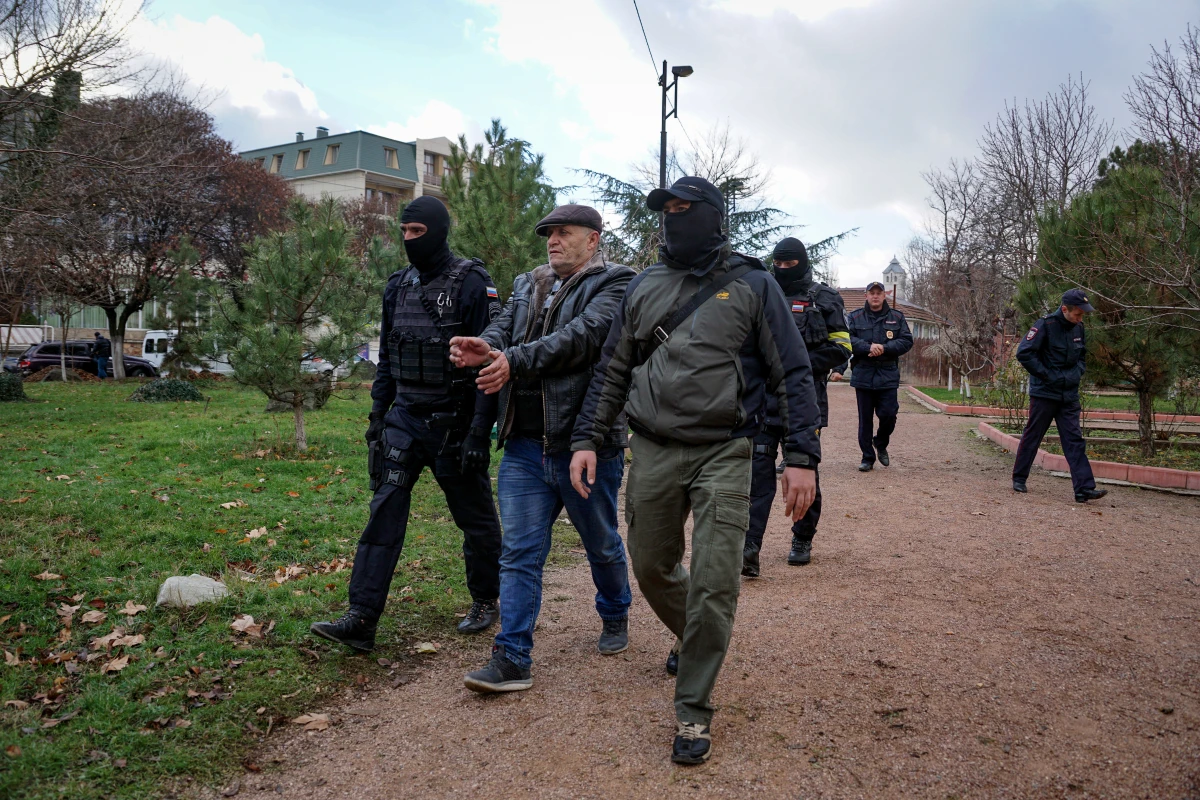
As we mark International Human Rights Day, we draw your attention to the need to help people who—often in the face of direct repression—continue the fight for Human Rights and freedom.
In many countries, independent journalists and activists face propaganda and intimidation, restrictions on their work, court proceedings and, in the worst cases, imprisonment.
These issues are no longer the preserve of non-democratic countries. Authoritarian tendencies and efforts to restrict independent civil society are emerging in countries where freedom has been taken for granted.
Helping people whose work puts them in danger
At People in Need, we have worked to protect human rights for almost thirty years. Today, we undertake human rights work in around twenty countries and regions on four continents.
Every year, we help almost two thousand politically-persecuted people. We provide them with legal, medical, financial, and psychological assistance and, when necessary, help them relocate to safer countries. For example, we helped evacuate Ukrainian film director Anatoliy Levchenko—and his family—from Mariupol, after Russian occupiers illegally imprisoned him for ten months.
In Ukraine, we support independent media, organisations documenting Russian war crimes, and education for children in occupied territories who are forced to endure Russian indoctrination.
In Belarus, we help persecuted activists and journalists continue their work from exile. For example, Nikolai*, a local activist who was hunted by the security forces. After weeks in hiding, he fled to Lithuania, where he applied for international protection.
In Moldova, we support independent newsrooms reporting on corruption, abuse of power, and Russian influence operations.
In Venezuela, we supported María*, a nurse, and her son John*. Security forces wrecked their home during a raid, abducted John and threatened to kill his mother. We arranged psychosocial support for María and a contact with the UN Fact-Finding Mission on Venezuela, and ultimately helped her reach safety. John was later released, but he stayed in the country. He has not seen his mother since the abduction.
Our assistance also reaches North Africa and Southeast Asia, where we support independent organisations and people who stand up against repression and human rights violations.
Help Human Rights Defenders carry on through our SOS Freedom appeal
78 years on from the UDHR, Human Rights Defenders still need help. More and more people find themselves in danger because of their work, and support from abroad is often the only way they can continue.
That is exactly why we launched the SOS Freedom appeal. This appeal helps us provide direct support to Human Rights Defenders all over the world—it allows them to continue their work. With your donations, we help people who have stood up to dictatorships and repression, ensure their safety, provide legal representation, or support them in readapting to normal life.
Contribute to the SOS Freedom appeal and help us protect those who defend human rights and freedom for us all.
* Names changed for security reasons.

