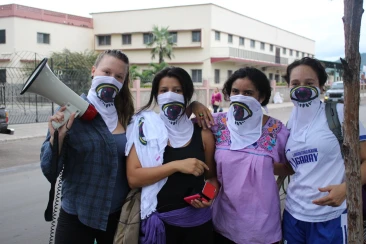
Emergency Response & Recovery
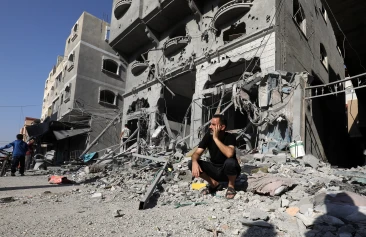
In the past decade, the need for global humanitarian assistance and, likewise, the number of people in need has been growing exponentially; this growth is due mainly to the increasing numbers of armed conflicts and protracted crises, severe natural disasters, and the global pandemic alongside the pressures of urbanisation. Furthermore, the high numbers of displaced people, a growing funding gap, difficulties with access to affected populations, and severe protection issues require more investment in global collective humanitarian efforts.
In this context, we aim, alongside our partners, to provide principled, relevant, timely, and high-quality humanitarian assistance to save lives, alleviate suffering, and maintain the dignity of affected populations. Our humanitarian assistance is followed by recovery assistance and resilience building. Our humanitarian aid is based on the core principles of humanity, impartiality, neutrality, and independence.
We continue to help people caught in conflicts, forced displacement, and complex crises in Ukraine, Syria, Iraq, Afghanistan, DRC, Myanmar, Yemen, Ethiopia, Moldova, Armenia and Georgia. At the same time, we repeatedly helped victims of droughts in Ethiopia and flooding in Cambodia, Afghanistan, and Sri Lanka. In the past, we intervened following earthquakes in Nepal, Haiti, and Pakistan, typhoons in the Philippines, and we responded to extreme winters in Mongolia. Our interventions are based strictly on need, focusing on the most vulnerable and underserved populations—particularly those in hard-to-reach areas.
As a consequence, rather than targeting a specific sector, we comprehensively address emergencies based on the given context and the added value we can bring—first, by working with communities to prepare for and mitigate the impact of disasters; then providing immediate assistance when an emergency unfolds; and finally, by working with the affected population to help them recover as quickly as possible after the crisis. We provide humanitarian assistance and development cooperation, enabling us to efficiently connect emergency relief, recovery, and long-term development—including disaster preparedness and risk reduction measures. We are committed to ensuring the meaningful participation of the people we serve; we listen to the voices of affected and non-affected communities to ensure that their priorities guide our assistance and that all affected and vulnerable groups have meaningful access to our assistance.
Historically, we have responded successfully and quickly thanks to the contributions donated by the community of supporters, partners, and our Club of Friends.
Analysis
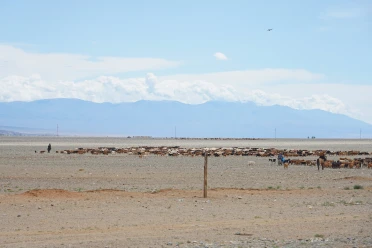 Understanding the Connection Between Water and Climate Change Read more
 PIN Code of Conduct and Key Policies (March 2026)Read more
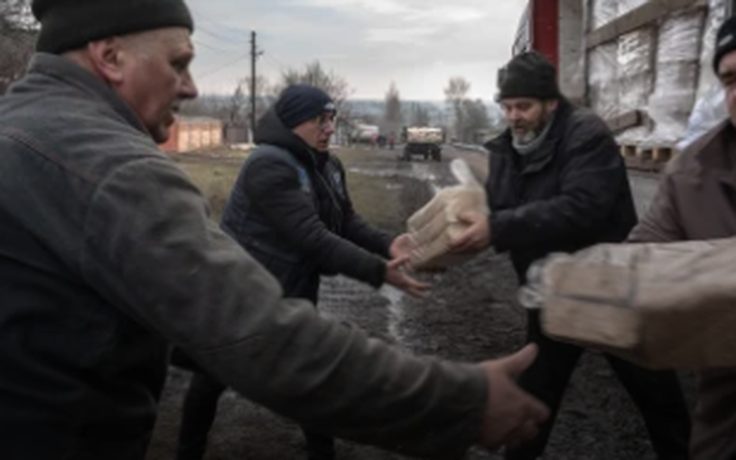 Why Anticipatory Action Matters: Lessons from Anticipatory and Emergency Drought Responses in AngolaRead more
 Inclusive Climate Action: Advancing Gender Equality and Social Inclusion Perspectives into Bosnia and Herzegovina Energy's Transition Read more

Contact us

Richard Walker
Institutional Relations Director