
Clean air and wheat straws: embracing the circular economy in North Macedonia
Published: Aug 24, 2026 Reading time: 4 minutes Share: Share an articleIn North Macedonia, people face the tangible, daily reality of heavy air pollution. ZIP Institute, a local non-governmental organisation, has taken up the challenge to fight Air pollution on two fronts: through innovative civic engagement in political decision-making, and with a practical circular-economy project that replaces harmful single-use plastics with wheat straws.
In North Macedonia, people face the tangible, daily reality of heavy air pollution. ZIP Institute, a local non-governmental organisation, has taken up the challenge to fight Air pollution on two fronts: through innovative civic engagement in political decision-making, and with a practical circular-economy project that replaces harmful single-use plastics with wheat straws.
Air pollution, driven by large industrial polluters, coal-fired heating plants, and energy poverty among the population places a devastating burden on North Macedonia.

During the freezing winter months, marginalised and low-income families without access to central heating heat their homes individually. Lacking resources, many burn plastics, old furniture, and whatever waste they can find to keep warm. This results in heavy smog in residential areas. Air quality is further beset by frequent wildfires and landfill fires during summer and autumn.
Advancing democracy, fighting for clean air
The ZIP Institute was founded in 2012 with the goal of advancing democratic processes and rural development in North Macedonia. For the past ten years, it has dedicated a major part of its energy to tackling energy poverty, advocating for a just energy transition, mitigating climate change, and protecting the environment.
For example, ZIP organised the first-ever Skopje Climate Assembly. This innovative model of democratic participation brought together 65 randomly selected residents of Skopje, representing all layers of society, to deliberate and formulate concrete recommendations to tackle the city's critical air pollution.

The Climate Assembly resulted in a comprehensive set of recommendations structured across public transport, healthcare, and energy. Citizens voted for increased energy subsidies, facade insulation for public buildings, subsidies for electric vehicles, and stricter oversight of large industrial polluters. By writing directly to individual municipal counsellors, ZIP successfully mobilised political will, leading the City Council of Skopje to unanimously endorse their report.
Wheat straws: Embracing the circular economy
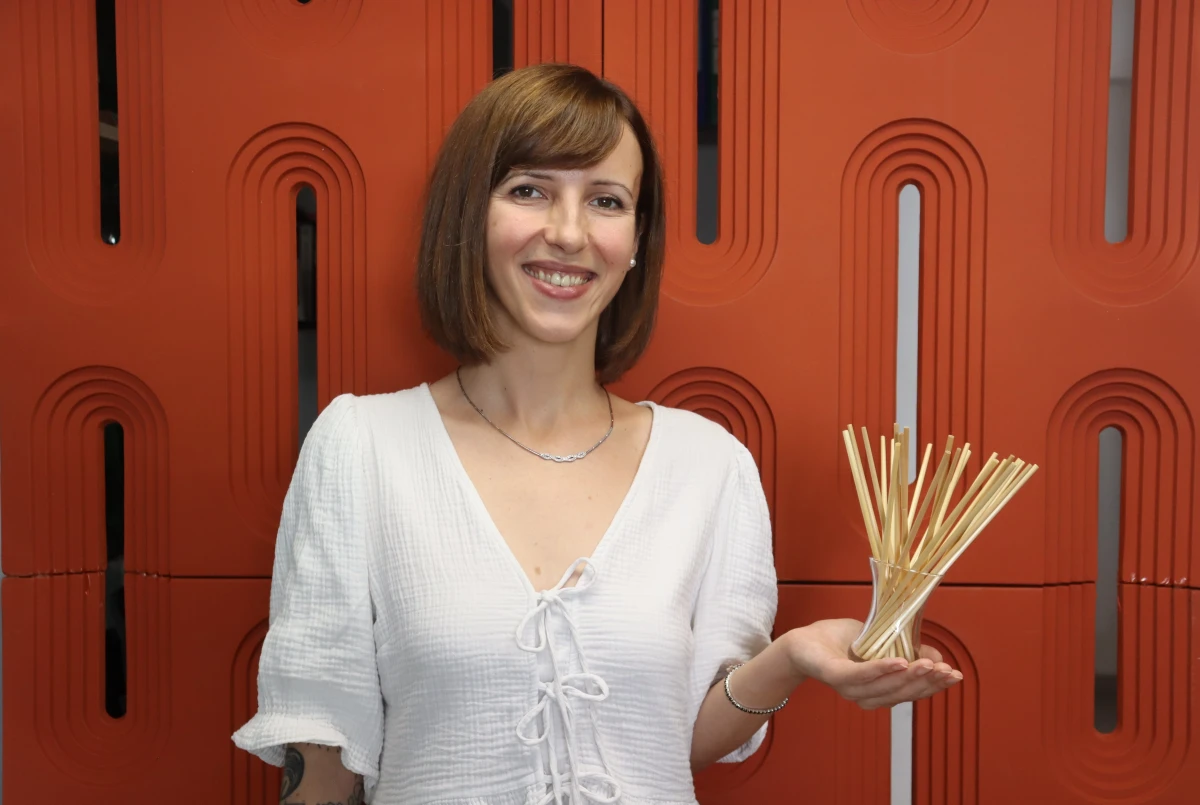
Alongside systemic advocacy, with EU support ZIP is running a practical and tangible initiative: producing 100% biodegradable drinking straws from wheat agricultural waste.
Leftover agricultural waste (wheat stalks) is sourced from a local partner. Then disinfected, and baked in specialised ovens to harden the straws; this is done without any chemical additives. ZIP expects to scale up production to 2 to 3 million straws per month once the facility is fully operational.

The project "Civil Society and Youth for Inclusive and Sustainable Development through Circular Economy in North Macedonia" is funded by the European Union. The project leader is People in Need (PIN), with members of consortium ARNO, LEAD, and Ekovita.
‘This publication was funded by the European Union. Its contents are the sole responsibility of People in Need and do not necessarily reflect the views of the European Union.’


