
Standing with communities in Afghanistan: A humanitarian worker’s story of hope
Published: Aug 12, 2026 Reading time: 4 minutes Share: Share an article19 August marks World Humanitarian Day; a day to celebrate the dedication of humanitarian workers worldwide. It is also a chance to reaffirm our shared commitment to people affected by conflict, disasters, displacement, poverty, and other crises. This year's theme, "Strengthening Global Solidarity and Empowering Local Communities," reminds us that lasting humanitarian action is built on partnership, compassion, and above all, the strength of communities themselves.
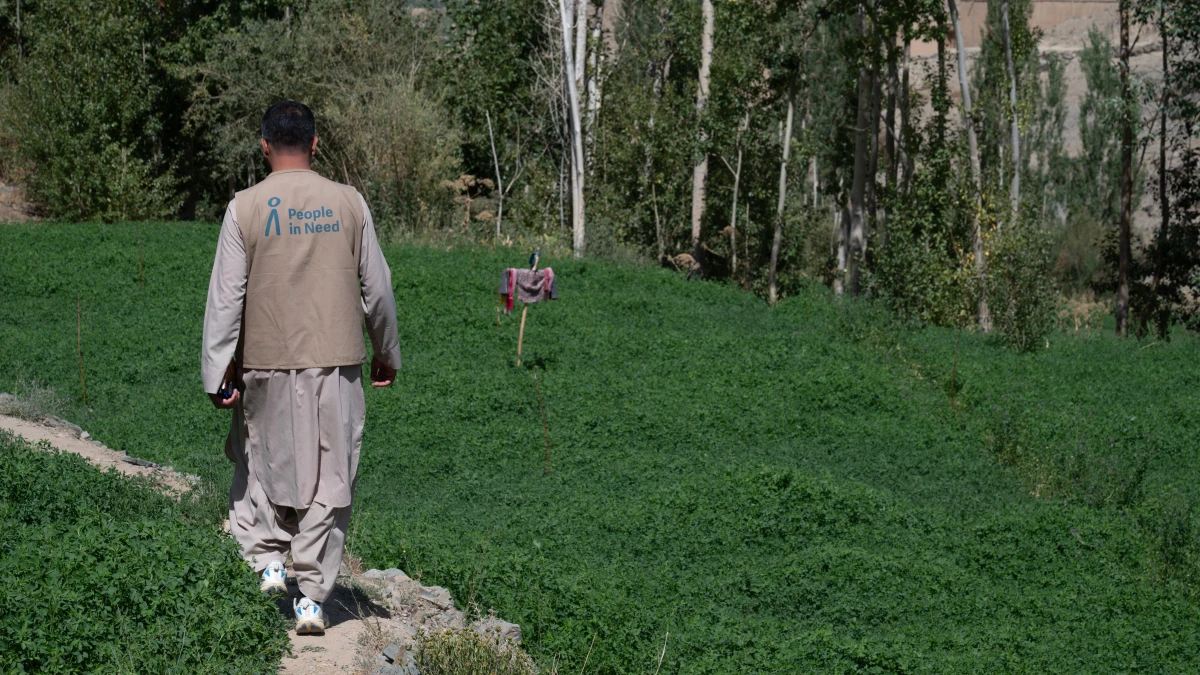
In Afghanistan, where humanitarian needs are growing and international funding continues to shrink, humanitarian workers are doing more with fewer resources. Many face similar economic hardships as the communities they work with. Yet they continue to work every day with one shared purpose: helping people rebuild their lives with dignity, resilience, and hope.
Standing with communities
For Mohammad Ata Rezayee (34) our Livelihood Technical Officer in Jaghuri district of Ghazni province, humanitarian work is deeply personal. For over 10 years, he has worked alongside communities and supported families in strengthening their livelihoods and resilience. As the sole provider for his family, he also faces financial pressures of his own, but his challenges have never diminished his commitment to serving others.

"Like many families in my community, I also face economic difficulties," Mohammad Ata says. "But when I see how much people need support, I put my own worries aside. Seeing communities overcome challenges motivates me to keep going."
Lasting change begins with local communities
Working in his own community has shown Mohammad that humanitarian action is not simply about assisting. It is about listening to people, building trust, and helping communities develop solutions that they can sustain long after a project ends.

"Communities are full of knowledge, experience, strength, and determination," says Mohammad Ata. "When people come together, identify their challenges, and work collectively to solve them, that is where real and lasting change begins."
The stories behind humanitarian action
Over the years, Mohammad Ata has learned that the true impact of humanitarian action cannot be measured by the assistance delivered. It is reflected in the confidence and resilience that communities build for themselves.
In Afghanistan, we have seen this in many different ways: a child going to school after years without access to education, a returnee family beginning to rebuild their lives with emergency support and with shelter to live beneath, a farmer harvesting healthier and quality crops after learning improved and modern agricultural practices, livestock protected through vaccination campaigns, or a family affected by floods or drought receiving timely assistance when they need it the most.

Each of these moments tells a different story. They all share one message: humanitarian action is most meaningful when it empowers people to recover, adapt, and shape their own future. "The real impact becomes visible when you spend time with communities," says Mohammad Ata. "You see people establishing committees, discussing solutions together, creating savings groups, and supporting neighbours facing hardship. That is the real meaning of solidarity. Communities are not waiting for change—they are creating it themselves, and we are there to stand with them."
The impact of humanitarian action
Humanitarian work is often described through numbers—families assisted, children enrolled in schools, farmers supported, or emergency aid delivered. These figures matter because they show the scale of humanitarian action. But behind every number is a person, a family, and a community working hard for a better future.

This is why humanitarian action is never the achievement of one organisation, one donor, or one worker. It is the result of global solidarity and of communities taking ownership of their future. Humanitarian organisations, partners, and donors stand beside them, providing the support they need to recover and thrive.
When solidarity creates hope
The Persian poet Saadi Shirazi wrote :"Human beings are members of one body, created from the same essence. When one part suffers, the whole body feels the pain."
His words remain as relevant today as ever. The challenges facing Afghanistan require more than humanitarian assistance. They require global solidarity, sustained investment, and confidence in local communities to lead their own recovery.

On this World Humanitarian Day, we honour humanitarian workers like Mohammad Ata Rezayee and the millions of people like him who continue to demonstrate extraordinary resilience every day. Together, they remind us that strengthening global solidarity and empowering local communities is not only this year's theme—it is the foundation of lasting humanitarian action and a more hopeful future.


