
Corridor Voices: Civil Society at the heart of the Lobito Corridor
Published: May 22, 2026 Reading time: 6 minutes Share: Share an articleA major logistical corridor is taking shape from the Angolan port of Lobito into Zambia and the DRC. As a flagship regional initiative supported through the EU’s Global Gateway, the Lobito Corridor represents not only a significant infrastructure investment, but also an opportunity to foster inclusive and sustainable development across the region. To ensure that the benefits of increased connectivity and trade translate into meaningful opportunities for local communities, it is essential to strengthen multi-stakeholder dialogue and civil society participation. Sustainable impact will depend not only on infrastructure, but also on the engagement and perspectives of the people living along the corridor. In this context, we co-developed the regional Corridor Voices initiative to support and strengthen the role of civil society across Angola, the DRC, and Zambia in the development of the Lobito Corridor.
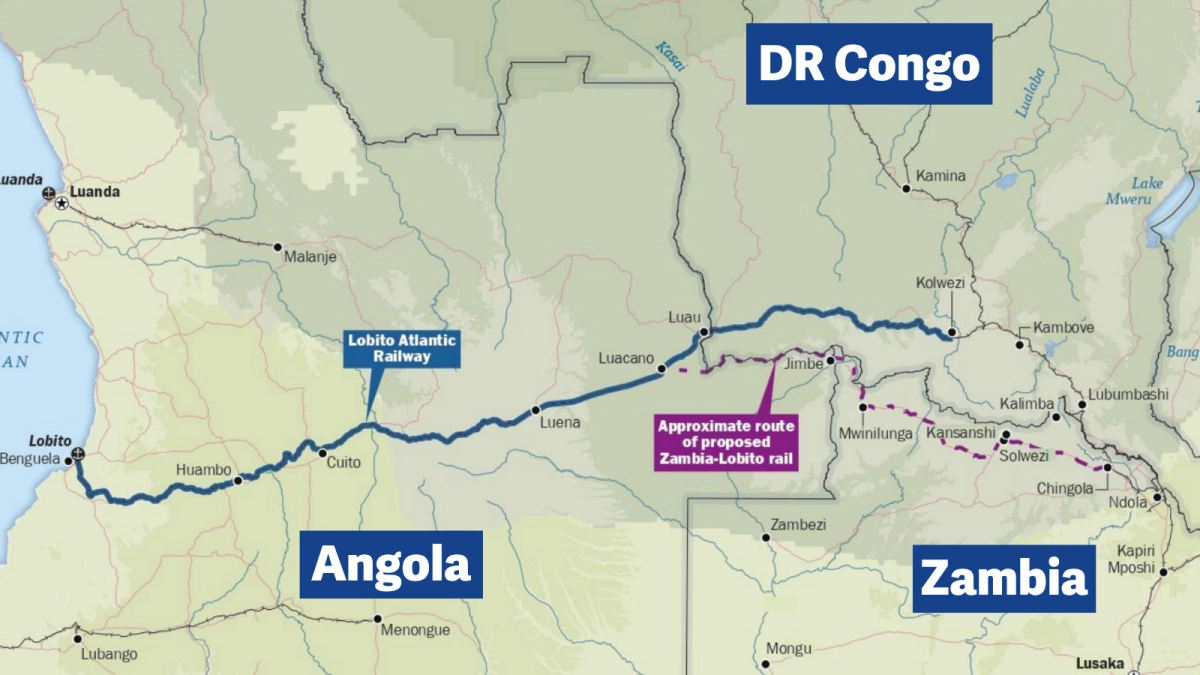
The Lobito Corridor has the potential to reshape economies across southern and central Africa. By connecting inland mining and agricultural regions with global markets through Angola’s Atlantic coast, the corridor could reduce trade costs, create new jobs, and unlock opportunities for businesses and communities across the region.
But infrastructure alone does not guarantee development.
Research shows that large-scale investments in infrastructure corridors often fail to benefit the people living closest to them. Without strong community engagement and local economic participation, infrastructure projects can deepen inequalities instead of reducing them.

To better understand these risks, we conducted a series of assessments across Angola, the Democratic Republic of Congo, and Zambia where we maintain 20 years of permanent presence. Through interviews with community members, CSOs, local authorities, and private sector actors, the studies explored how the Lobito Corridor could affect communities along its route.
The findings revealed important gaps. Read our more.
“It is a historic investment with the potential to transform the region, but civil society needs resources, clarity and an enabling space to ensure accountability, reflect community priorities and safeguard rights,”—Violeta Frimu-Patel, Civil Society Advisor at People in Need speaking at the Team Europe Democracy Network Annual Meeting in Brussels in 2025.
From infrastructure to opportunity
Communities living near the corridor have little information about the projects being planned around them. Consultations are often limited, leaving people uncertain about what infrastructure will be built, how it will affect their land and livelihoods, and whether and how they will benefit from the new opportunities it promises.
At the same time, concerns are growing about land rights, potential displacement, and unclear employment prospects. Local civil society actors fear that new infrastructure could bring disruption for affected communities without creating lasting economic opportunities.
Local businesses also face barriers. Small and medium-sized enterprises—despite being key drivers of local economies—often lack access to information, business development services, finance, and linkages needed to participate in the emerging supply chains linked to corridor investments. CSOs, which represent affected communities, are rarely included in decision-making processes around planned investments.
Across the corridor countries, communities, civil society organizations, and local entrepreneurs are ready to engage. With the right platforms and opportunities, they can help shape development so that investments strengthen local economies, protect natural resources, and create real opportunities for people living along the corridor. At the same time, their involvement can help de-risk investments by increasing local legitimacy and reducing the likelihood of tensions or conflicts.
These insights led to the co-creation of Corridor Voices.
An initiative for civil society voices
Corridor Voices connects organizations from the three corridor countries, creating a cross-border platform for dialogue, collaboration, and accountability.

Its goal is simple but ambitious: To ensure that infrastructure investments translate into inclusive and sustainable development for the communities living along the corridor.
Through the Corridor Voices initiative, CSOs can:
- Amplify the perspectives of women, youth, and marginalised communities
- Provide evidence and data to inform corridor investments
- Monitor compliance with social and environmental safeguards
- Promote transparent and accountable governance
- Support local economic participation and entrepreneurship
By bringing together communities, civil society, governments, research institutions, and private sector actors, Corridor Voices aims to bridge the gap between large-scale investments and local realities.
Building a cross-border movement
In November 2025, representatives from across the region participated in a hybrid event in Lusaka, Zambia, to officially launch the Corridor Voices initiative.
“The event brought together civil society actors, government representatives, development partners, and private sector actors from Angola, the DRC, and Zambia. Participants discussed how to ensure that the corridor becomes not only a transport route—but also a pathway to inclusive growth and climate-resilient development,”—Stefania Lagonigro, Country Director, People in Need Zambia.
Speakers emphasised that while railways, roads, and ports are important, their true value lies in the opportunities they create for people.
CSOs have a critical role in ensuring that communities are informed, engaged, and able to influence decisions that affect their future. They can monitor environmental and social impacts, strengthen transparency and accountability, and help ensure that investments benefit local populations. At the same time, their involvement can also create tangible benefits for the private sector. By improving dialogue with communities and strengthening oversight, civil society can help de-risk investments—reducing the likelihood of delays, conflicts, or contested projects. They can also support the development of a stronger pipeline of investment-ready SMEs and generate valuable insights on local markets, helping investors better understand opportunities while lowering transaction costs when entering the region.

Protecting local populations and the environment
As the corridor develops, communities face both opportunities and risks. Large infrastructure projects can lead to job creation and improved market access. But they can also create challenges: land displacement, environmental degradation, and unequal distribution of economic benefits.
Corridor Voices supports CSOs in monitoring these impacts and advocating for responsible development.
Participants in the regional discussions highlighted the importance of:
- Participatory planning, ensuring communities understand and influence corridor development
- Environmental safeguards, protecting ecosystems such as the Miombo forest landscapes and vital water sources
- Transparency and accountability, making information about investments accessible to the public
- Promoting responsible business conduct through co-designed CSR programmes
- Social inclusion, ensuring women, youth, and marginalised groups benefit from new opportunities
Unlocking local economic potential
Beyond governance and accountability, the corridor represents a major opportunity for local economic transformation. Local actors emphasise the importance of supporting small businesses, entrepreneurs, and small-scale producers so they can participate in emerging value chains. Access to finance, skills development, and stronger market systems will be key to enabling local enterprises to benefit from corridor investments.
By strengthening local economic systems, the corridor can become a driver of inclusive and sustainable regional development in line with the 360° approach of the EU under the Global Gateway.
Looking ahead
The launch of Corridor Voices marks the beginning of a long-term effort to ensure that communities remain at the centre of the Lobito Corridor’s development.
The initiative will focus on:
- Strengthening the multi-stakeholder mechanisms and aligning them with emerging Lobito Corridor governance architecture
- Creating a digital knowledge hub for civil society collaboration and evidence sharing
- Producing actionable evidence and recommendations to inform decision-making
Strengthening social accountability, community engagement and supporting inclusive economic
opportunities along the corridor
Together, these efforts aim to transform the Lobito Corridor into Africa’s first green and inclusive trade artery—one that connects not only markets, but also people and opportunities.
For the communities living along the corridor, this means that their voices will not just be heard, they will help shape the future.


