
Ethiopia’s Food Entrepreneurs are Ready. The Investment Architecture Must Follow
Published: Jun 8, 2026 Reading time: 4 minutes Share: Share an articleIn the central highlands of Ethiopia, a nutrition scientist rises before dawn to run a factory that may be one of the country’s most important food businesses. Read the article published in The Reporter.
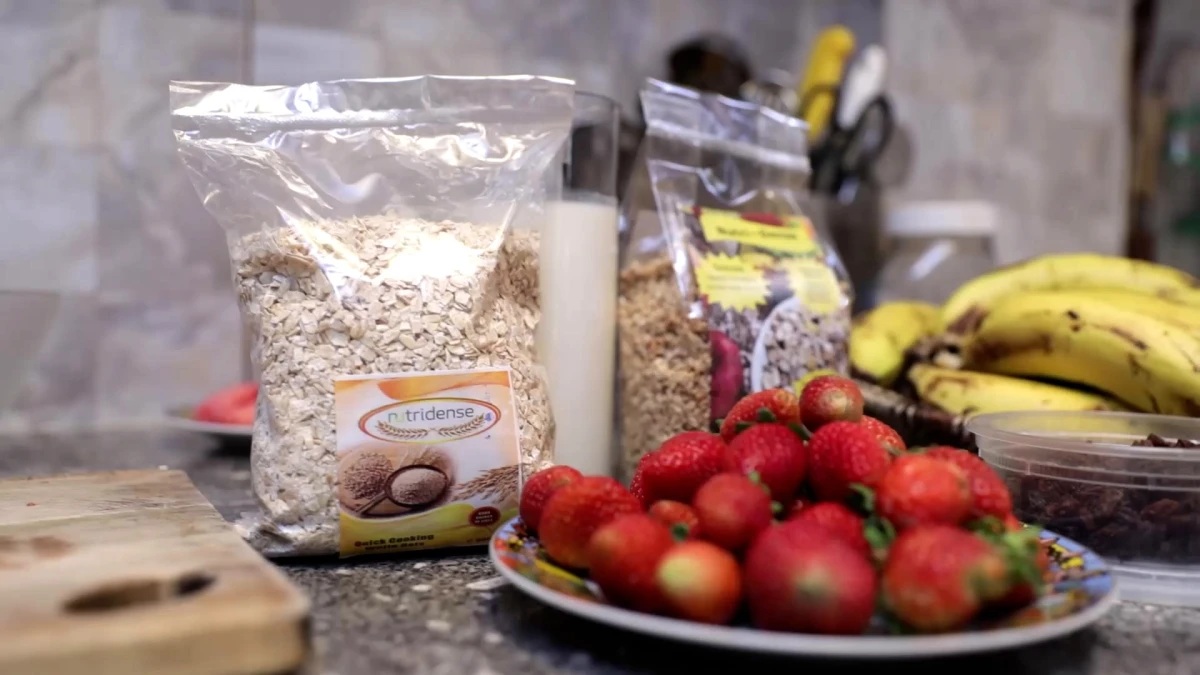
Her name is Alem Greiling. She spent years studying what Ethiopian children eat, and more importantly, what they do not eat. One of those gaps is oats. Not because oats cannot grow in Ethiopia — they do, and they grow well in the highlands — but because until her company, Nutridense, began producing oat-based cereal, granola, biscuits, and infant foods, no domestic market for oat-based human nutrition had been established at scale.

Nutridense‘s products are formulated for Ethiopian mothers and children and priced with low-income households in mind. The company operates in one of the most important windows in human development: the first 1,000 days of life, when food quality can shape lifelong health, growth, and learning.
Nutridense is not held back by a lack of demand, local raw materials, or nutritional relevance. It is held back by something specific: the processing equipment and investment support needed to scale.
When PIN Ethiopia visited the company as part of its Nutrition Capital assessment, Alem asked a question that cuts through the usual language of development programming:
That question sits at the centre of Ethiopia’s nutrition investment challenge.

The findings show that Ethiopia’s nutrition situation is not only a food production challenge. It is an investment architecture question.
The businesses exist. The demand exists. The nutritional need is there. What is needed is the bridge between promising food enterprises and the finance, data, business readiness, equipment, working capital, and buyer relationships they need to grow.
One impact investor interviewed during the assessment described the challenge plainly:
Many small and growing food businesses are not uninvestable. They are underprepared for the type of investment process that formal investors and lenders require. Their records may be weak. Their governance may depend too heavily on the founder. Their digital transaction data and purchase order histories may not yet be structured in a way that financial institutions can use.
This is why PIN Ethiopia introduced the concept of Nutrition Capital: which advocates for not just money, but the full set of conditions that allow investment to reach the foods people actually eat. A cold storage unit can be a nutrition intervention if it keeps vegetables affordable. Processing equipment can be a nutrition intervention if it allows a company to produce safe complementary foods for infants. A digital payment record can be a nutrition intervention if it helps a woman farmer access credit for the next planting season.
Ethiopia now has an important policy window. National efforts are increasingly linking agriculture, nutrition, climate resilience, and agri-finance, and that strategic direction creates a real opening for accelerated private sector investment. Realising this potential requires a deliberate pipeline. This lies in connecting policy intent with the practical mechanisms that allow food enterprises to grow, reach more households, and contribute to national food sovereignty goals.
PIN Ethiopia is stepping into this space as a market systems actor and ecosystem builder, that is working to absorb risk alongside local enterprises, strengthen the investment pipeline, and connect food businesses, farmers, banks, investors, government, and development partners in ways that currently do not happen by default.
Alem’s question should stay with every institution working in this space.
Are we just observing the gap, or are we prepared to bridge it?
Ethiopia does not lack nutritious food businesses. It needs the investment architecture to support their growth. Nutrition Capital is about building that architecture, so that capital can move closer to the foods Ethiopians actually eat.

Text was published in The Reporter.


