
From Policy to People: Zambia’s Climate Commitments in Action
Published: Dec 1, 2025 Reading time: 4 minutes Share: Share an articleAs Zambia works to reduce greenhouse gas emissions by 47% by 2030, the country is reshaping how national resources are planned, spent, and aligned with community needs. With the 2024 drought affecting 84 of 116 districts, climate action is now a question of resilience, livelihoods, and dignity.
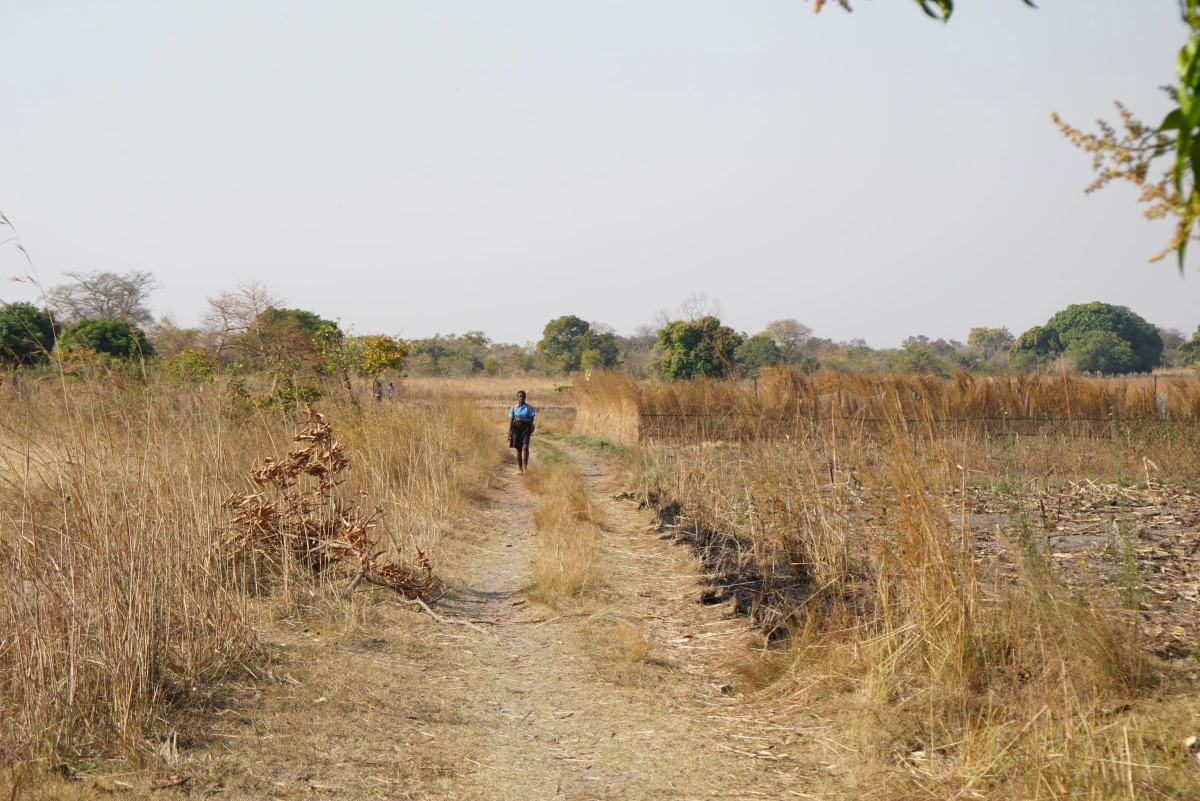
Driven by partnerships between Parliament, civil society, and local communities, Zambia’s climate transition is increasingly people-centred. With growing urgency around climate resilience, Zambia is rethinking how national resources and budgets, such as the Constituency Development Fund (CDF), can better support climate-responsive investments, to ensure communities can withstand droughts, floods, and shifting weather patterns.
The 2024 drought left millions at risk of food insecurity, while land use and forestry account for more than 70 percent of national emissions. This reality underscores the need for sustainable resource management and adaptation measures. Profound change can only come through collective action, and sustained partnerships with government, civil society, development partners, and technical institutions.
Abel Musumali, a Climate Resilience Lead for People in Need Zambia, noted that
He noted further that, “Members of Parliament are key stakeholders and it is their responsibility to put forth regulations like the Green Economy and Climate Change Act.”
A shared space for action: Insights from the Parliamentary Caucus Workshop
These themes were reinforced during a recent High-Level Climate Policy engagement workshop convened under the Parliamentary caucus on Environment and Climate—a network of 120 MPs representing a cross-party platform driving Zambia’s climate legislative agenda.

Through collaboration with a Consortium of Civil Society Organisations (CSOs), including People in Need (PIN), the workshop connected parliamentary debates with community realities to turn national policy into practical solutions.
Representing the Caucus, Hon. Twaambo Mutinta, MP, emphasised Parliament’s responsibility in guiding the nation towards a climate-resilient future:

The workshop also highlighted the growing call to ensure that the CDF—a government financing mechanism for constituency support—integrates climate-responsive planning, enabling constituencies to priorities resilient infrastructure, agriculture, and social services.
Bridging policy and practice Strengthening climate governance and responsive financing
Across Zambia, People in Need (PIN) is demonstrating how to translate national climate commitments into action that strengthens households, markets, and ecosystems. While discussions at the national level focus on climate-responsive budgets, adaptation planning, and emissions reduction, our work shows how these policies become meaningful for communities living through the impacts of droughts, floods, and shifting weather patterns.

In Western Province, we support communities in the Barotse Floodplain to protect and sustainably manage more than 90,000 hectares of rangeland and forest areas. By adopting improved cookstoves, producing eco-briquettes, and practicing sustainable harvesting, households are reducing dependence on charcoal while safeguarding critical ecosystems. These efforts directly contribute to Zambia’s goal of reducing emissions from land use and forestry—sectors that account for over 70% of national emissions.

We are also working with farmers to adopt climate-smart agriculture practices that improve food security and build resilience. Through initiatives such as farm labs, biodigesters, agroforestry, and integrated livestock systems, farmers are learning to restore soil fertility, reduce methane emissions, and adapt to increasingly unpredictable weather. These approaches align with national priorities under the Nationally Determined Contributions (NDCs), helping Zambia move toward its commitment of cutting emissions by 47% by 2030.
These technologies reduce reliance on firewood, improve soil productivity, and reinforce Zambia’s long-term transition toward cleaner, more sustainable energy systems.
Collaboration that moves the climate agenda forward
The High-Level Workshop was made possible through a broad civil-society and institutional partnership, bringing together:
Southern Africa Trust (SAT), Plan International, People in Need Zambia (PIN), SRHR Africa Trust, Transparency International Zambia (TIZ), the National Assembly of Zambia (NAZ), Child Fund Zambia, ZAAB, UNFPA Zambia, ActionAid Zambia, Care International Zambia, and WWF Zambia.
Together with Parliament, these partners are strengthening transparency, climate governance, and inclusive policymaking to ensure that communities most affected by climate change are part of shaping the solutions.
Why this work matters: Climate change is about people
Zambia’s changing climate continues to impact every part of life—from agriculture and water availability to health and energy. Floods wash away roads, cutting people off from essential services. Droughts destroy crops, pushing families into food insecurity. Rising temperatures reduce water levels, compromising hydropower and forcing greater reliance on charcoal, which accelerates deforestation.
The people most affected are often those with the fewest resources to adapt. Building the resilience that enables them to protect themselves must be a priority.


