
Let's make agency ours: Disability inclusion is about more than access
Published: Jun 23, 2026 Reading time: 6 minutes Share: Share an articleTwenty years after the adoption of the United Nations Convention on the Rights of Persons with Disabilities (CRPD), the global community is celebrating an important milestone while recognising that much work remains to ensure that persons with disabilities can fully enjoy their rights and participate in society on an equal basis with others.
At People in Need (PIN), this anniversary is an opportunity to reflect on what disability inclusion means in practice and how it is embedded across our programmes, policies and organisational culture.
For us, disability inclusion is not only about accessibility and participation. It is about agency.
Agency means having the power, opportunity and support to make decisions, participate meaningfully, influence change and shape one's own future. It means recognising persons with disabilities as rights holders, leaders, experts, and active members of their communities.
This understanding is deeply aligned with the vision of the CRPD, which transformed the way disability is viewed globally. The Convention shifted the narrative from seeing persons with disabilities as recipients of care to recognising them as individuals with rights, dignity and the ability to contribute fully to society.
Disability inclusion grounded in our commitment to GESI
Our Gender Equality and Social Inclusion (GESI) commitments are grounded in a human rights-based approach to addressing unequal power relations, discrimination, and exclusion.
Across all our programmes, we work to ensure that all people, regardless of gender, age, disability, ethnicity, religion, social status or other identity factors, can access opportunities and participate meaningfully in decisions that affect their lives.
This commitment extends beyond programme activities. It is reflected in our organisational culture and working environment, recruitment practices, communication, partnerships, and advocacy efforts.
- We recognise that persons with disabilities often face multiple and intersecting barriers to education, employment, services, information and decision-making spaces.
- Through our GESI commitments, we work to identify and remove these barriers while creating opportunities for participation, leadership, and inclusion.
Safe, Inclusive and Accountable in our programming
At PIN, we operationalise our inclusion commitments through our Safe, Inclusive and Accountable (SIA) Programming Approach.
The SIA approach integrates protection, gender equality and social inclusion, safeguarding, and accountability throughout the project cycle. This means that inclusion is not treated as an isolated activity but is embedded from assessments and project design through implementation, monitoring, and learning.
Participatory approaches are central to this process. We work directly with communities to understand how different groups experience risks, exclusion, and vulnerability. This includes consulting women, men, and other gender groups, youth, indigenous peoples, older people and persons with disabilities to ensure that programmes respond to their diverse realities and priorities.
Meaningful participation is essential because sustainable solutions can only emerge when those most affected by challenges are able to influence the decisions being made.
This principle is particularly important in the context of climate change, where existing inequalities often shape who is most exposed to risks and who has access to the resources needed to adapt.
Disability inclusion in climate resilience
At PIN, we know that climate change does not affect everyone equally.
People who already face social and economic barriers often experience the greatest impacts while having fewer resources available to cope with climate-related risks. People with disabilities are frequently among those disproportionately affected.
These impacts are often compounded by other forms of exclusion and discrimination.
These risks can be even more pronounced for Indigenous persons with disabilities, who often experience multiple and intersecting forms of discrimination linked to disability, Indigenous identity, gender, age, poverty, remoteness, and limited access to services and decision-making processes.
The importance of addressing these intersecting vulnerabilities was reinforced during the COSP19 side event on the leadership of Indigenous persons with disabilities. The discussion highlighted how climate change disproportionately affects many Indigenous communities, threatening traditional livelihoods, food systems, medicinal resources, cultural practices, and connections to ancestral lands. It also drew attention to the barriers Indigenous persons with disabilities often face in accessing disaster preparedness measures and early warning systems.
For this reason, we integrate disability inclusion and broader GESI considerations into our climate resilience work.
Through our Gender Equality and Social Inclusion (GESI) approach to climate vulnerability and resilience, we analyse how climate risks affect different groups of people and identify locally led solutions that reflect diverse needs, capacities, and experiences.
This approach also recognises the importance of local and Indigenous knowledge in strengthening resilience. As highlighted during discussions at COSP19, Indigenous persons with disabilities should be recognised not only as rights holders but also as leaders, knowledge holders, and contributors to climate resilience, biodiversity conservation, and sustainable development. Their perspectives, lived experiences, and traditional knowledge must inform decisions that affect their communities and futures. Incorporating Indigenous knowledge systems and perspectives into climate adaptation and resilience programming can help ensure that responses are both more inclusive and more effective.
Our work demonstrates that inclusive climate action is not only fairer: it is also more effective.
Local examples from around the world
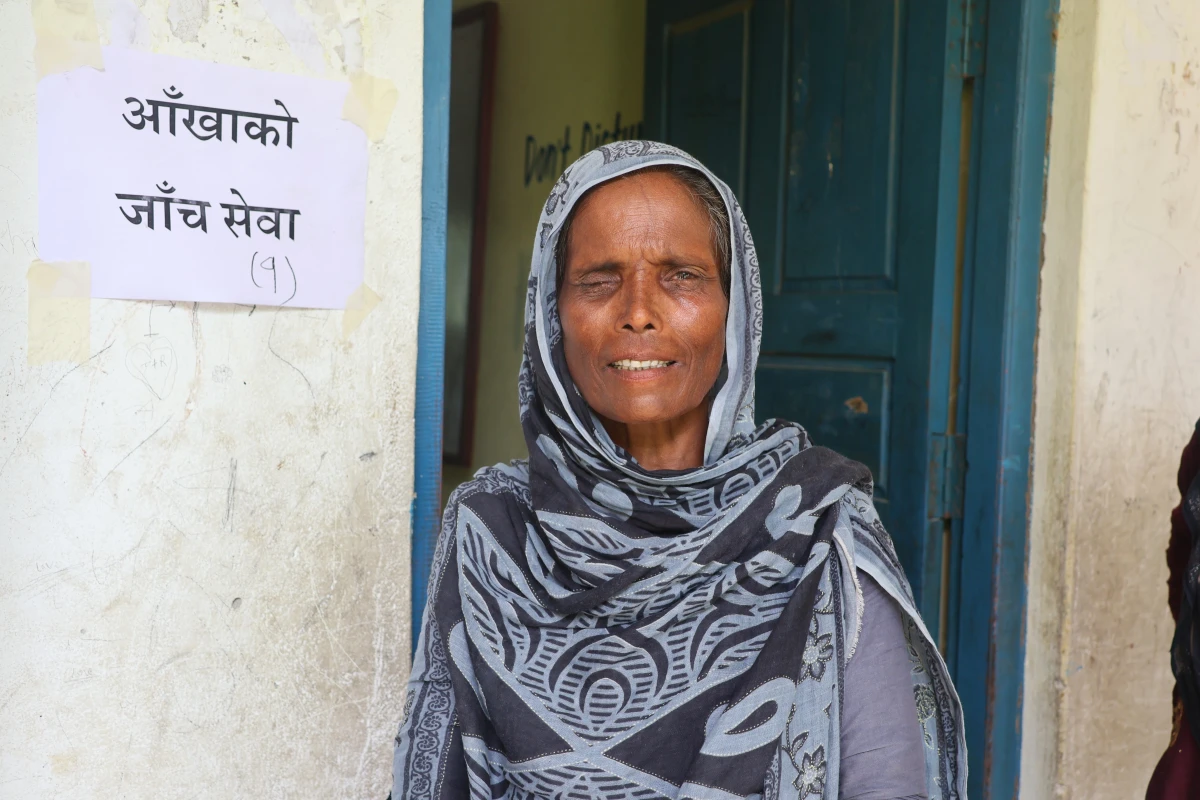
- In Nepal, our work on disaster preparedness and early action has highlighted the importance of disability-inclusive approaches to climate resilience. Through community-based disability screening, the programme identified barriers preventing persons with disabilities from accessing early warning systems and enabled more targeted and accessible responses.
- In Zambia, participatory climate vulnerability assessments ensured that women, older people, and persons with disabilities contributed directly to identifying risks and adaptation priorities. Findings informed programme design and strengthened opportunities for participation and leadership.
- In Ethiopia, our climate resilience initiatives have promoted inclusive community structures and locally led adaptation approaches that support vulnerable groups to participate in resilience-building efforts.
Across contexts, a common lesson emerges: we are more resilient when everyone has a voice.
This includes ensuring that Indigenous persons with disabilities are meaningfully represented in climate decision-making and resilience-building efforts. Their experiences, knowledge, and leadership are essential for designing locally relevant solutions that leave no one behind.
From inclusion to agency
As we mark the twentieth anniversary of the CRPD, we are reminded that disability inclusion is not solely about ensuring access.
True inclusion means creating conditions where persons with disabilities can exercise agency, participate in decisions, influence policies, access opportunities and contribute their knowledge, experience and leadership.
At PIN, this principle guides our work across humanitarian action, development programming and climate resilience initiatives.
The CRPD challenged the world to recognise that persons with disabilities have the same rights and aspirations as everyone else. Twenty years later, that vision remains as relevant as ever.
By promoting gender equality, social inclusion, and meaningful participation, we are committed to helping create communities where everyone can shape their future, contribute their knowledge and leadership, and where no one is left behind.
Because the next chapter of disability inclusion is about more than access, it is about agency.


