
Seeds of change: How farmers in Ethiopia are building climate-resilient future
Published: Dec 16, 2025 Reading time: 3 minutes Share: Share an articleWhen climate shocks threatened harvests in the Halaba and Silte regions of Ethiopia, many farmers believed there was little they could do to protect their land, their income, or their families. Today, thanks to the Czech-funded Climate Resilience Agricultural System Adaptation Programme, they are proving the opposite with new skills, new confidence, and harvests they never imagined.
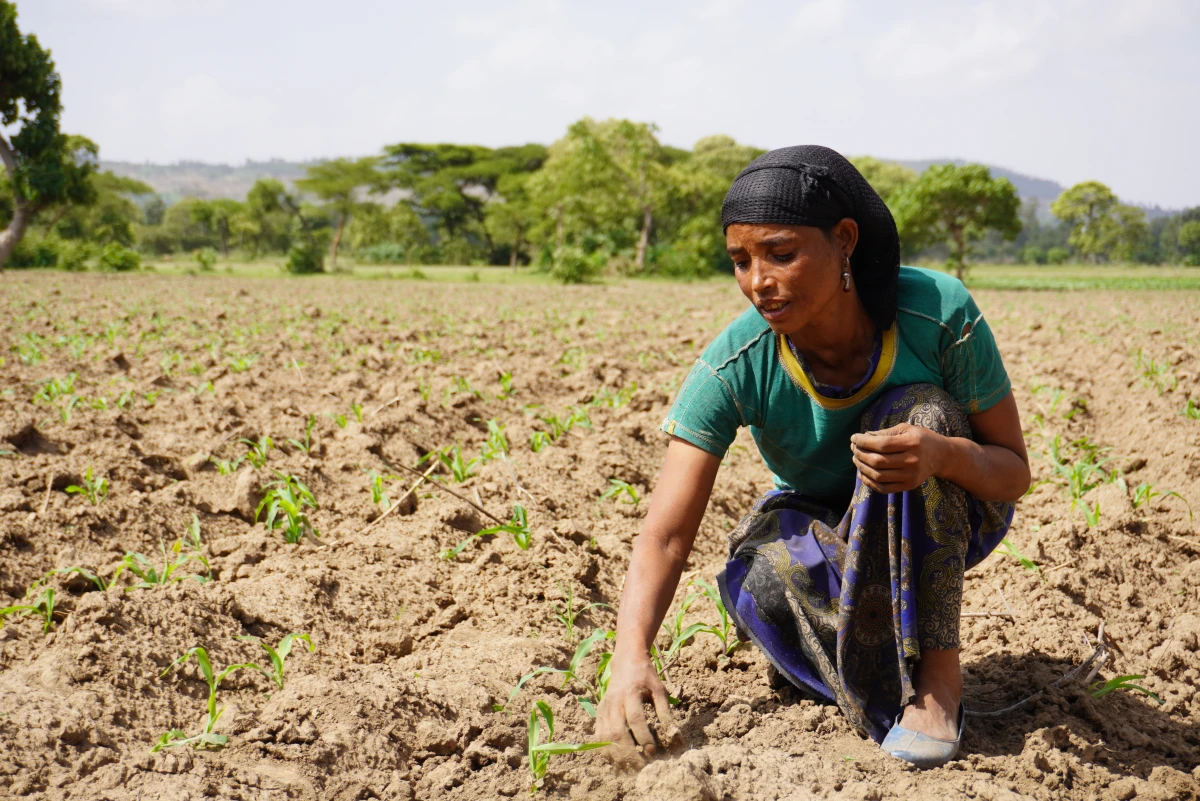
Zayiriya Yesuf a mother of four and a female model farmer, lives in central Ethiopia. For years she struggled with limited knowledge, no access to vegetable seeds, and poor yields.
We provided her with vegetable seeds, production training, and support in conservation agriculture. Subsequently, Zayiriya produced cabbage, carrot, and beetroot—earning 70,000 ETB (over €380) from her first harvest alone.
With her earnings, she bought four goats, started poultry production and most of the vegetables she needs, she grows for herself; noting proudly:
Zayiriya reinvested in her farm, planting potatoes and maize—earning another 80,000 ETB (approx €440).

Today, she is sharing her new farming knowledge with eight neighbouring farmers. “Thanks to God; our life is changed.”
Composting that transforms farms—and incomes
In Girme, Kaira Ergicho learned how to prepare vermicompost in the programme. This is a method of using worms to decompose organic materials to create fertiliser.
Seeing the remarkable results, she began selling worms for 600 ETB (€3.30) per kilo and plans to buy cattle with the profits. She wants to build a sustainable income through milk production, breeding, and eventual sale.
Kaira now produces compost, sells seedlings to neighbours, and she is saving for her next business steps.
Modern beekeeping and community knowledge-sharing
Abebe Awol received wooden beehives and training on modern beekeeping and farming practices. He explains how limited knowledge once held his community back:
Abebe also adopted vermicomposting after buying worms—a turning point at a time when fertilizer prices were rising.
Today, many farmers are choosing compost because it is affordable, locally available, and improves soil fertility.

A programme creating real, measurable change
With the financial support from the Czech government, we have strengthened climate-smart agriculture, promoted sustainable land management, and supported income-generating activities across 46,861 farmers.
We address environmental degradation and climate risks related to landscapes and biodiversity. Our response includes nature-based solutions, landscape management, biodiversity conservation and sustainable livelihood, and collaborative approaches to conservation. From vegetable production and poultry, to beekeeping and conservation agriculture, the results are visible: healthier soils, stronger harvests, improved nutrition, and rising household incomes.


