
"The country needs a fundamental change": What do young people consider the biggest challenges in North Macedonia?
Published: Jan 26, 2026 Reading time: 5 minutes Share: Share an articleThe support of civil society and climate resilience are key pillars of our work. Therefore, we decided to partner with several non-governmental organisations in North Macedonia to promote circular economy practices and the protection of the environment, primarily among young people. North Macedonia tackles various environmental issues and other problems mainly concerning young people. We discussed these issues with the representative of one of the organisations we support and heard the opinions of young people from North Macedonia.
Ivan Jovanov is an executive director of LEAD. Established in 2016, this Macedonian non-governmental organisation is run by seven people. LEAD works closely with the youth, strengthening their capacities and cooperation with adults. Their overall goal is to contribute to a better society.
We work with LEAD and other organisations in North Macedonia to promote circular economy and environmental protection within groups of young people. As Ivan says, these are some of the topics North Macedonia needs to tackle.

Besides pollution, the country also deals with inefficient garbage disposal. While strolling around urban areas or the countryside, one can find litter and even illegal landfills. Ivan mentions the contradiction he observes when talking about waste created by local people and their behaviour in private life.
As Ivan mentions, environmental awareness in North Macedonia is still lacking. Environmental education at schools is also, according to Ivan, not sufficient. Activists and NGOs are the primary sources of information to educate people about environmental issues in North Macedonia.

Leaving the country might not always be the best choice
One of LEAD's most vital areas of expertise is working with young people and strengthening their capacities and personal development. Ivan says that nearly half of secondary school graduates think about leaving the country; brain drain is an issue that North Macedonia must also deal with.
Brain drain is a huge problem for the country, and Ivan describes three of the biggest reasons why young people think about moving abroad.
Besides looking for better-paid jobs or more promising career prospects, young people from North Macedonia also seek a better education abroad. As Ivan states, European countries are among the most appealing to young people from North Macedonia, especially Slovenia, where they can study for free. However, this does not usually count for the field of IT, which is a subject well known to be of high quality at Skopje University.

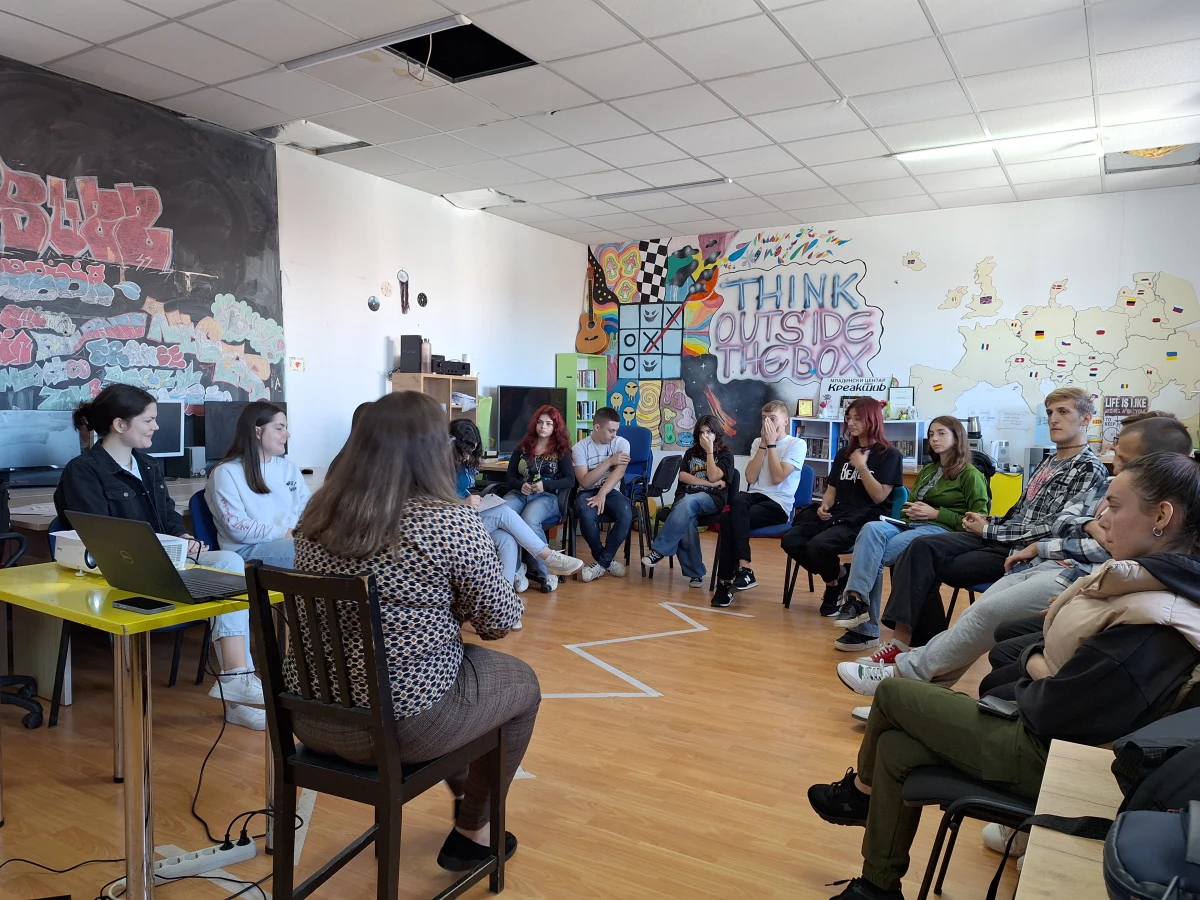
The opinions of youth underline the challenges listed above. We had a chance to hear the views of young Macedonians participating in LEAD's activities. We asked them about the greatest challenges in North Macedonia according to them:
Civil society is on the rise
However, Ivan also notes some positive developments concerning the growth of civil society. More and more organisations and actors are willing to be part of civil society, which governing authorities have also noticed. Recently, some intergovernmental groups for civil society actors have been created. Still, according to Ivan, they have been working only as a platform for the discussions so far rather than making changes that civil society could benefit from.

Ivan says that during the last few years, there have also been more climate actions and green NGOs emerging, as well as activism in other sectors such as human rights, LGBTQ+ rights, health activism, and crowdfunding campaigns. They also used the crowdfunding campaign as a part of one of their activities with high school students.
We are glad that together with the support of the European Union, we can contribute to the growth of Macedonian civil society and raise environmental consciousness. Besides LEAD, we support other NGOs, promote a circular economy, and engage young people concerning environmental issues.
The project "Civil Society and Youth for Inclusive and Sustainable Development through Circular Economy in North Macedonia" is funded by the European Union. The project leader is People in Need (PIN), with members of consortium ARNO, LEAD, and Ekovita.
This publication was funded by the European Union. Its contents are the sole responsibility of PIN and do not necessarily reflect the views of the European Union.


