
Ukrainian Media Need Support Amid Massive Russian Attacks
Published: Dec 8, 2025 Reading time: 2 minutes Share: Share an articleUkraine is likely facing its most difficult wartime winter yet. In recent weeks, Russia has intensified its missile strikes on Ukraine’s energy grid, plunging cities across the country into darkness as power stations and substations are hit.
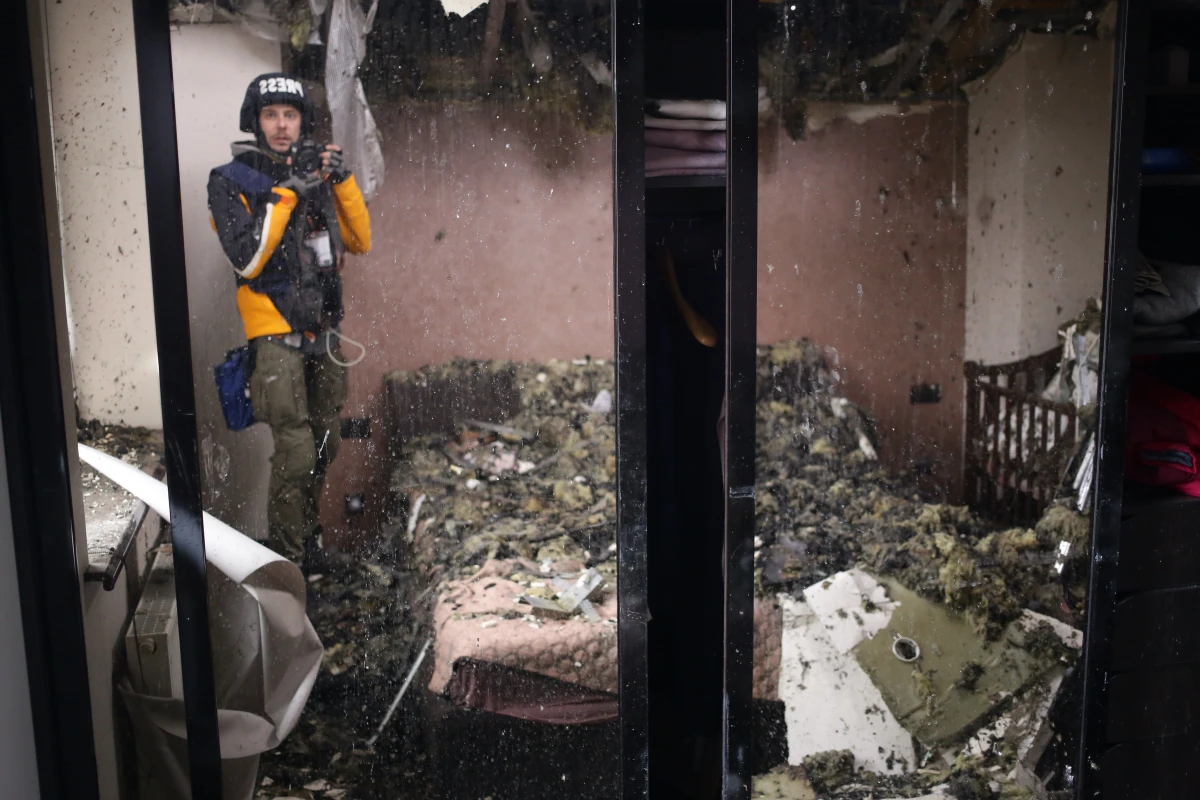
In Kyiv alone, hundreds of thousands of people may lose access to electricity in one attack. Due to the severe strain on the system, emergency blackouts are being implemented in almost every region.
This echoes the first winter of the full-scale invasion, when millions endured widespread power outages, a lack of heating, and disruptions to water supplies.
Supporting Media Is Essential
Power cuts also threaten the work of journalists. In wartime, media outlets have become part of Ukraine’s critical infrastructure. Reliable and timely reporting can save lives, and for people living under Russian occupation, access to verified information is as vital as access to food.
That is why, alongside long-term support for independent Ukrainian media, we help strengthen their energy resilience during blackouts. In the first winter of the war, we funded generators and portable battery stations, allowing newsrooms to continue operating despite interruptions in electricity supply.
In the heavily targeted northern city of Chernihiv, this support made it possible for the local newspaper Visnyk Ch to publish a new print issue even during a total blackout in October. "We simply made it work — the only difference was that the roar of generators drowned out the printing press," says editor Maryna Osipova.
Psychological Support
This winter, we plan to provide further funding for energy-backup equipment. These resources will also support crisis psychologists and therapists we work with across Ukraine. They offer online counselling to human rights defenders, war-crimes documenters, and frontline journalists — often around the clock.
Psychologist Nadiya Lokot explains: “Knowing they can reach a therapist at any moment feels like an island of safety. It means they don’t have to face their trauma alone — not in darkness, literally or metaphorically.”
We have also supported the National Union of Journalists of Ukraine and its network of Solidarity Centers, which provide reporters near the front lines with safe working spaces, equipment, internet access, and emergency assistance. This enables both local and international journalists to continue their work even amid ongoing attacks on Ukraine’s energy infrastructure.

