
World Humanitarian Day 2026: Resilience in the face of rising threats
Published: Aug 18, 2026 Reading time: 4 minutes Share: Share an articleThis World Humanitarian Day, we recognise that the work of our colleagues and our partners worldwide is increasingly overshadowed by the reality that delivering aid has become one of the most dangerous undertakings on Earth.
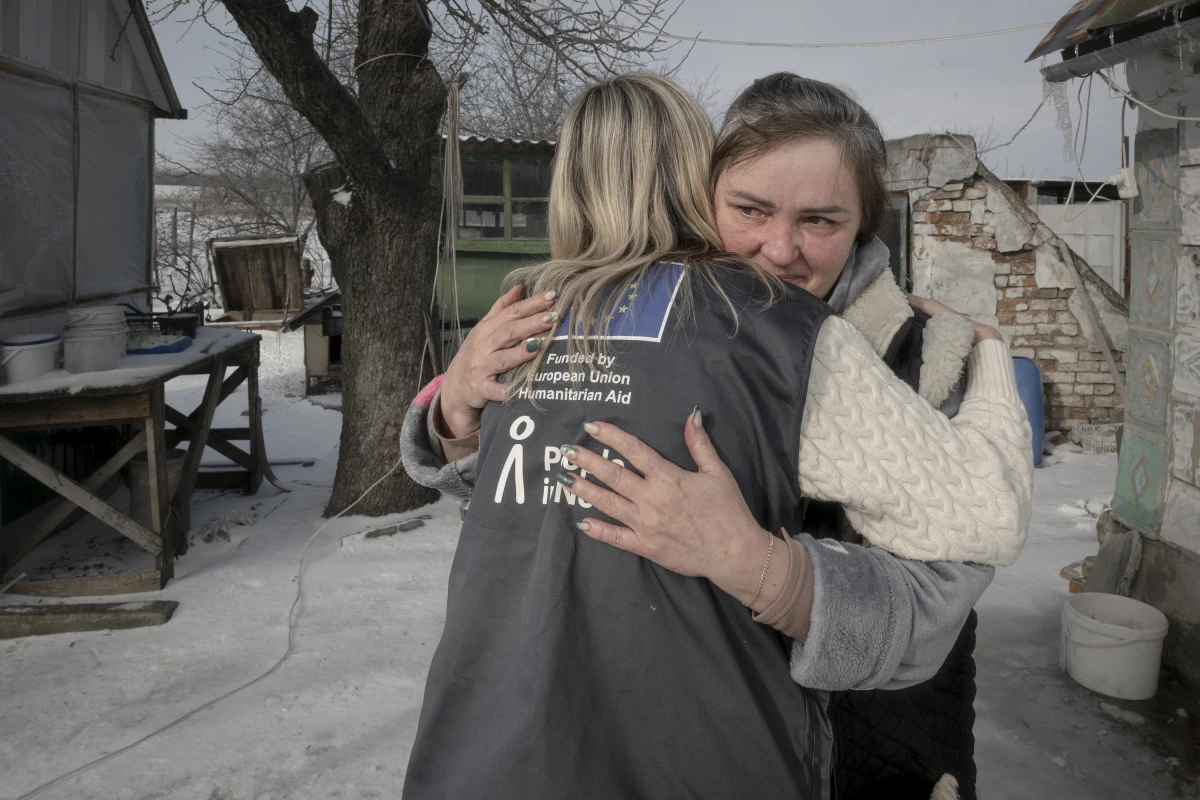
The selflessness, courage, and resilience of aid workers are virtues that ensure that communities (often those belonging to aid workers, themselves) receive help when they need it. The many attributes that make a humanitarian are virtues that should be promoted and protected. Yet, according to Aid Worker Security Database (AWSD), 1,187 aid workers fell victim to major security incidents in 2025. While fatalities dropped slightly from previous peaks, 350 humanitarians were killed—marking the second-highest annual death toll ever recorded and pushing the death toll for the previous three years to over 1,000. Additionally, 2025 saw 322 aid workers wounded, 235 kidnapped, and 280 detained or arrested by state actors.

The geography of this violence underscores the vast scope of contemporary conflict. Gaza remained the deadliest context for aid workers in 2025, claiming 186 lives, with 68% of deaths caused by aerial bombardment. In Sudan, escalating conflict drove fatalities to a record 71 killed, mostly by small arms fire. In the Democratic Republic of the Congo (DRC), violent incidents doubled year-over-year, while Ukraine experienced a marked uptick driven by expanded drone warfare. South Sudan, Syria, Ethiopia, Haiti, Chad, and Cameroon also recorded severe levels of violence against humanitarians.

Localised help, localised hurt
At PIN, we are cognisant of the dangers faced by humanitarians working within communities in volatile contexts. We operate directly or work with local partners, in 6 of the ten countries mentioned above. Additionally, we have colleagues in various other countries where the security situation is less than favourable. Moreover, through our efforts to localise our work (i.e. ensure that the work we do, is done by people from the communities we serve), we know that the any assault on humanitarians is a direct assault on their community.

While international headlines highlight global aid efforts, national and local humanitarians bear an overwhelmingly bear a disproportionate share of the risk. Local staff represent the highest percentage of frontline workers in high-risk zones. Operating in their home communities, they are the first to respond during crises and often remain exposed during active conflict long after international personnel have evacuated.
Consequently, it is mostly local staff who suffer casualties, kidnappings, and arbitrary arrests. The settings of these attacks further illustrate their extreme vulnerability: road travel accounted for 27% of all violent incidents in 2025, exposing local transport teams to ambushes and checkpoints. Furthermore, kidnappings by non-state armed groups and criminal organisations nearly doubled to 235, directly endangering local humanitarians working within affected communities.
Operating amidst such pervasive insecurity requires extraordinary adaptability. In Ukraine and Syria, our colleagues deliver emergency shelter repairs, clean water, heating supplies, direct cash assistance, and psychosocial support to displaced families. Across the DRC, Sudan, and Ethiopia, our teams tackle severe food insecurity through emergency nutrition, agricultural support, and water infrastructure for communities facing dual threats from armed conflict and climate shocks. By pairing urgent emergency relief with long-term resilience building across these high-risk nations, our colleagues illustrate how principled, locally-led assistance can endure even where severe insecurity threatens operations.

From human rights to humanitarian action
A particularly disturbing trend highlighted in the AWSD figures is the rising involvement of state actors in restricting aid operations. State detentions and arrests reached 280 cases in 2025. Five contexts—Yemen, South Sudan, DRC, Myanmar, and Palestine—accounted for 75% of state detentions, with Yemen alone representing nearly a third (31%).
This surge in arrests reflects a pattern of state authorities criminalising, controlling, and expressing distrust toward humanitarian operations. Combined with the fact that 20% of violent incidents occurred within NGO offices and project facilities, we can see clearly that there is a profound lack of respect for humanitarian law and the lifesaving work of humanitarians globally.
Compounding these operational risks, organisations like ours must navigate these threats amid deep global funding cuts and donor retreats which surrender the civic space to chaos and despair, thus furthering the need for humanitarian work.
World Humanitarian Day is a call for global solidarity; however, honouring aid workers requires far more than symbolic praise. It, and by extension we, demands immediate diplomatic action, strong legal protections, and unwavering support for local humanitarians risking their lives to bring help to those who need it.
Without decisive action to enforce international humanitarian law and hold perpetrators accountable, the future of independent aid delivery remains gravely threatened and humanitarians (and their communities) will remain at risk.


