
Back to school: Reclaiming the Right to Learn in East Wollega, Ethiopia
Published: Mar 2, 2026 Reading time: 3 minutes Share: Share an articleFor years, classrooms in parts of East Wollega region in Ethiopia stood empty while children stayed at home—not by choice, but because conflict and displacement pushed education out of their reach. Thanks to RISE (Resilient Inclusive Schooling in Ethiopia), our EU-funded initiative, they are learning again.
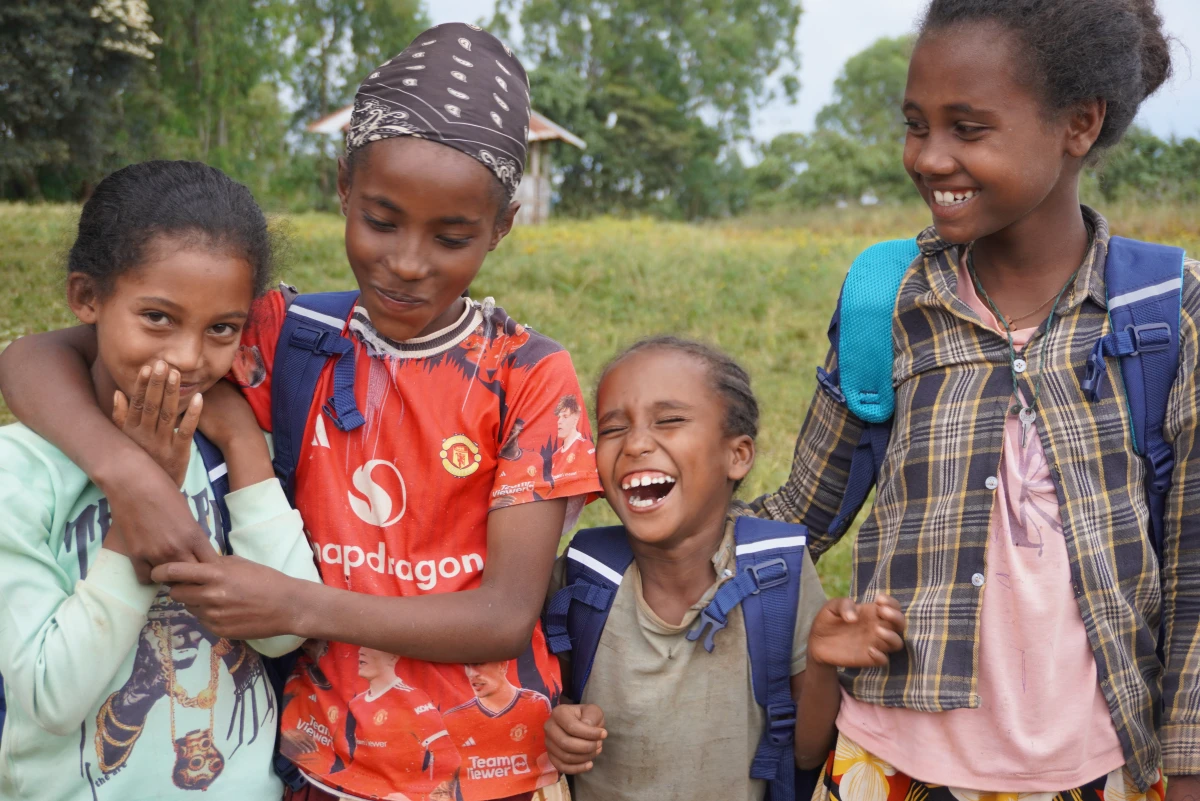
In places like Gida Ayana and Kiremu woredas schools were damaged, learning materials were lost, and families—struggling to survive—could not afford notebooks or pens.
Prolonged insecurity disrupted schooling for hundreds of children. Many students were out of school for one to two years, while others never enrolled at all. Overcrowded classrooms, a lack of desks, and the absence of latrines made learning difficult—especially for younger children and girls.
Visible change
With funding from the European Union, we are supporting the restoration of education across five primary schools in East Wollega. We are helping almost 5,000 conflict-affected children, with particular focus on those who dropped out due to displacement and poverty.

Inside classrooms, the change is visible. Students have received school bags, notebooks, pens, pencils, erasers, and sharpeners—basic learning tools that were previously out of reach. Renovated classrooms, improved sanitation facilities, and access to clean drinking water have helped create safer and more dignified learning environments.
Parents see the impacts too. Nabiya Muhammad Adem, a mother from Gida Ayana, explains:
Hope and dignity
Beyond providing materials, we support Accelerated Learning Programmes (ALP), helping out-of-school children to catch up and reintegrate into formal education.

For school leaders, the impact goes beyond infrastructure.
In an environment shaped by conflict and displacement, education is more than classrooms. It means giving children a safe place to learn, the tools they need to succeed, and the confidence to continue despite uncertainty. For thousands of students in East Wollega, education is no longer on hold—it is moving forward!


