
Despite the volatile security situation and limited access, we continue delivering aid in eastern DR Congo
Published: May 5, 2026 Reading time: 3 minutes Share: Share an articleDespite abundant natural resources, the people of the Democratic Republic of the Congo (DRC) face high levels of poverty. The war that has ravaged North and South Kivu for three decades has left the people trapped in a cycle of violence where women and children are the primary victims of atrocities.
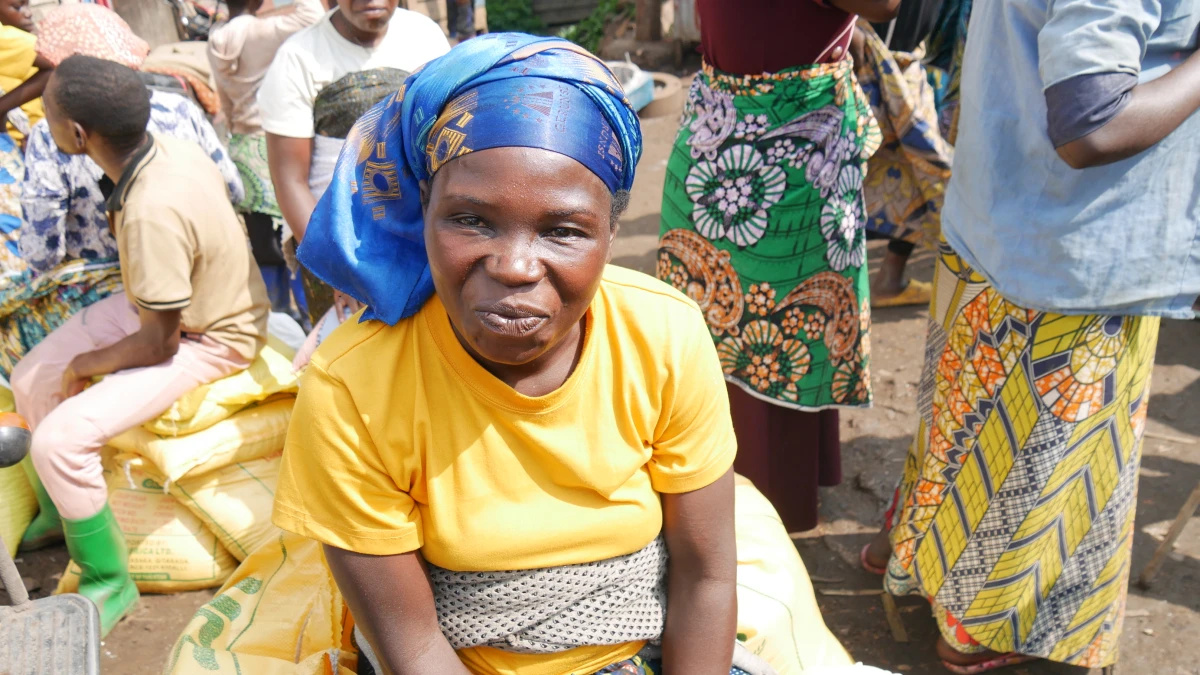
This situation in eastern DRC has exposed the most vulnerable sections of the population to severe hardship, particularly pregnant and breastfeeding women and children under the age of five. These vulnerable and homeless people are at risk of a range of health and nutritional problems, including malnutrition, malaria, and even starvation.
It is with this in mind that we have intervened in the Lemera, Uvira Highlands, and Minova health zones to provide direct assistance to people ravaged by conflict.
With US government funding, we are focused on prevention and treatment of severe and moderate acute malnutrition, access to food, clean water, sanitation and hygiene to people displaced by war and host families. We also distributed vegetable seeds and farming tools to enable people to grow food for themselves; this gives people a sense of purpose, whilst also improving their overall food security situation.
We work in three health zones covering parts of the Uvira Highlands; here road access is extremely difficult; the delivery of nutritional supplies and other materials often poses enormous challenges in terms of physical access, with security further compromised by repeated clashes in the region.
‘’We mainly work with rural health centres. They are not like ordinary urban hospitals; they are generally small facilities staffed by medical personnel. There is usually no doctor, and these centres face a shortage of medicines and equipment. They also operate in areas affected by armed conflict where there are no roads," explains Julien Ciza, PIN project manager.
Despite the isolation, the lack of road access, and the volatile security situation, we are delivering aid. Our team carries out activities alongside health workers and local leaders, supporting them through training and technical assistance on nutritional care and improved access to quality treatment services for cases of severe acute malnutrition. The project has also supported partner organisations in the construction of WASH facilities in the Lemera health zone and the Uvira highlands.

“My husband was killed during the war and I fled alone with my children; my youngest child became malnourished. Thanks to PIN, my child received treatment and we were given food during the distribution. My children are now in good health and we have a stock of food at home,” says Amina, a mother living in Kisongati.
Our food distribution significantly helped people in the Minova health zone. This area has experienced intense clashes that have forced people to flee their homes, leaving everything behind. During the first phase of distribution, 1,145 households in the Kisongati health zone received beans, maize flour, vegetable oil and salt. This was distributed to people according to household size, as determined by checks conducted by the project teams in collaboration with community members.
Zawadi Feza, a displaced person who fled the fighting from Katasomwa in the mountains with her children, explains: “I am a war refugee; I fled my village, leaving behind my farm and all my livestock. I arrived here in Kisongati after walking for a six weeks. I am happy because my children will have enough to eat thanks to the assistance PIN is providing us.”
However, repeated clashes mean that the people lives in a state of constant instability, with consequences for their economic and health situation. As the roads are inaccessible, the delivery of supplies and nutritional support is problematic, with very high logistical costs.


