
#ThroughTheirEyes: Syrian Families Capture Life, Learning and Hope in a Video Series
Published: May 6, 2026 Reading time: 6 minutes Share: Share an articleA few months ago, we invited the families of Salwa, Aida, Amina and Mohammed to document their everyday lives in northern Syria using only mobile phones. For several weeks, they filmed the moments that make up their daily reality and, through their own eyes, welcomed us into their homes, streets and communities.
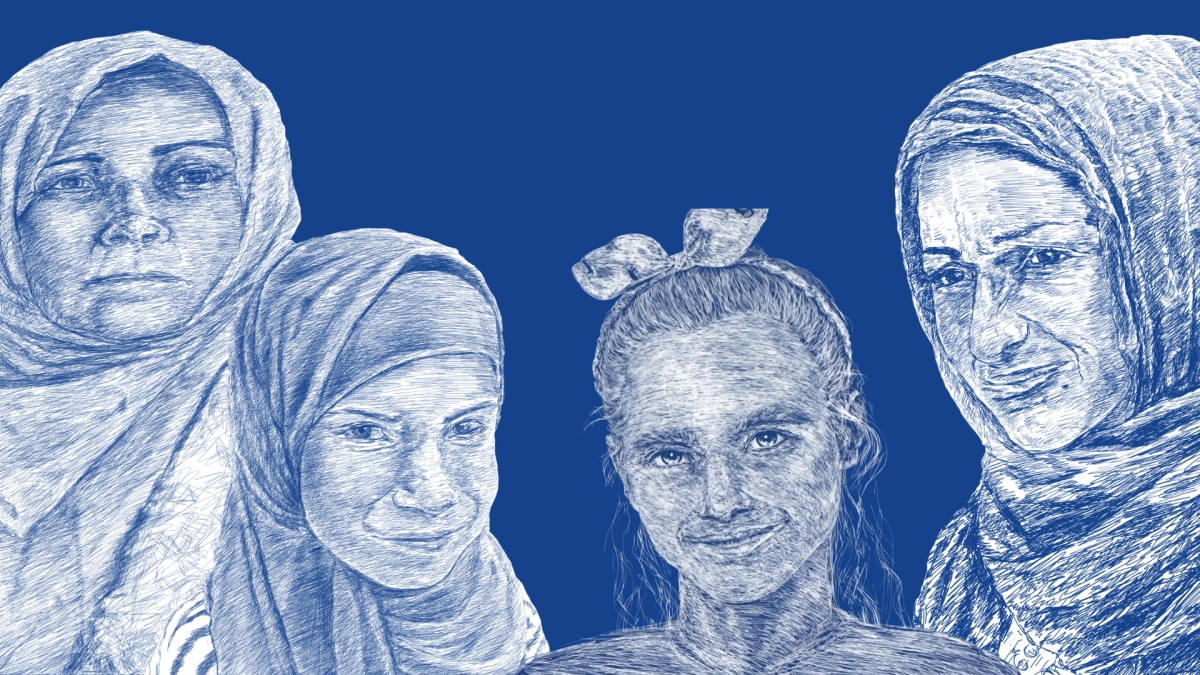
Not every shot is technically perfect. But that is precisely what makes these recordings so powerful. Honest, intimate and unfiltered, they offer a rare glimpse into life in a country that has endured almost 14 years of war.
Each family has its own story, yet their experiences share several important messages.
First, although Syria no longer dominates international headlines, the crisis is far from over. Families across the country continue to show remarkable resilience and determination to rebuild their lives, but many cannot do it alone. Continued solidarity and support remain essential to protect the dignity, safety and future of millions of people.

Second, an entire generation of children in Syria has grown up knowing only war. Every child under the age of 15 has never experienced life in peace. Death, displacement, loss and uncertainty have become part of everyday life, and many children have spent years out of school because of poverty, displacement or lack of access to education.
Temporary Learning Centres we established thanks to funding from the European Union provide much more than education. They offer children a safe place to learn, make friends, play, and rediscover hope, dreams and a sense of normality.
Through their phones, the families of Salwa, Aida, Amina and Mohammed captured small, deeply human moments that connect us all — cooking meals, shopping for groceries, caring for children, cleaning, learning, laughing and playing together. Moments that may seem ordinary, yet carry extraordinary meaning in the midst of uncertainty.
These are their stories.
Aida: One Mother’s Strength in Syria
Aida lives in Mazerlia, a suburb of Manbij in northern Syria, where she cares for her two children and her nephew on her own. As the family’s sole provider, she struggles daily to cover even the most basic needs. Like many families in the area, they live in difficult conditions, often without reliable electricity, clean water or stable income. Food is frequently bought on credit, while evenings are spent in darkness and winters bring freezing temperatures and constant searches for fuel to heat their home.
For Aida’s children, childhood has been shaped by war and uncertainty. Until recently, they had no access to school, but a Temporary Learning Centre we established with funding from the European Union has given them the chance to return to learning and reconnect with hope for the future. Despite the hardships, moments of joy remain — children playing outside, snowfall in winter, and the family gathering together at the end of the day to share a meal.
Saja: Holding on to Dreams Through Learning
Saja lives with her parents and three siblings in Mazerlia, where the family struggles with poverty and difficult living conditions after years of war. They live together in a small one-room house, and daily life revolves around household chores, caring for younger siblings and finding ways to get through harsh winters. While her mother Salwa tries to provide for the family with limited resources, Saja helps with cooking, cleaning, laundry and carrying water. Her father, weakened by illness, repairs household items whenever he can.
Despite these challenges, Saja’s life is also filled with learning and hope. She attends a Temporary Learning Centre we established with funding from the European Union, where she studies reading, mathematics and English, while also enjoying games and activities with other children. For Saja, education represents more than knowledge — it is a chance to dream about a better future.
Amina: Growing Up Far From Home, Holding on to Hope
Nine-year-old Amina lives with her family in a tent near Raqqa in northern Syria. Although her family comes from a small village in the rural Homs governorate, she has never seen it, as they were displaced by the war nearly 14 years ago. Today, the family faces daily hardship, struggling with poverty, unstable work and difficult living conditions. Amina helps by collecting water, bringing bread, cooking and washing dishes, while still finding time to play and enjoy moments of childhood.
Like many Syrian children, several of Amina’s older siblings missed years of education because of displacement and financial hardship. Amina now attends a Temporary Learning Centre we established thanks to funding from the European Union, where education offers not only knowledge, but also hope, stability and the chance to imagine a different future.
Mohammed: Capturing Childhood and Hope After War
Mohammed used his mobile phone to document the everyday lives of his children in northern Syria. Although the end of the war has brought hope for a more peaceful future, daily life remains extremely difficult for many families. Hundreds of thousands of people still live in tents or temporary shelters after their homes were destroyed during years of conflict.
Yet despite the hardship, life goes on. Children help their parents with household chores and caring for younger siblings, while still finding joy in simple games played outside. Temporary Learning Centres we established with funding from the European Union provide much more than education — they offer children a safe place to learn, make friends, play and begin dreaming about the future again.
People in Need
Since 2013, People in Need (PIN) has supported education in Syria, creating safe and inclusive learning spaces for children affected by conflict. PIN rehabilitates schools or builds new classrooms in areas where access to education is limited—particularly for out-of-school children. These spaces are designed with safety, accessibility, and wellbeing in mind, including support for girls and children with disabilities. At the same time, teachers receive training, mentoring, and financial support to help them teach effectively in crisis conditions.
Students are regularly assessed to identify their needs, and tailored programmes—such as catch-up classes, accelerated learning, and basic literacy and numeracy—help children return to school and continue their education. Many successfully transition into formal schooling. Community involvement is central to this work: parents, caregivers, and teachers collaborate to support children’s learning and wellbeing, while parenting sessions help families better support their children’s development and cope with stress.
The European Union in Syria
Together with its Member States, the European Union is the largest humanitarian donor to Syria. EU humanitarian assistance focuses on addressing urgent, life-saving needs while also promote early recovery by improving access to essential services for vulnerable populations. European Union stands firm in defending every child’s right to education in Syria.
About EU Civil Protection and Humanitarian Aid
The European Union and its Member States are among the world’s leading donors of humanitarian aid. Relief assistance is an expression of European solidarity with people in need all around the world. It aims to save lives, prevent and alleviate human suffering, and safeguard the integrity and human dignity of populations affected by disasters and human-induced crises. Through the Directorate General for European Civil Protection and Humanitarian Aid Operations, the European Union helps millions of people affected by conflict and disaster every year. With headquarters in Brussels and a global network of field offices, the EU provides assistance to the most vulnerable people on the basis of humanitarian needs.


