
Ebola and insecurity: The situation in eastern Democratic Republic of the Congo
Published: Oct 13, 2026 Reading time: 4 minutes Share: Share an articleTens of thousands of people in eastern Democratic Republic of the Congo (DRC) are facing one of the largest Ebola epidemics in the country’s history. Ebola and Cholera, which is also prevalent, pose a serious threat to communities already affected by conflict and displacement. Prevention is more important than ever. We deployed our teams in South Kivu province to raise awareness about both diseases and help communities protect themselves.
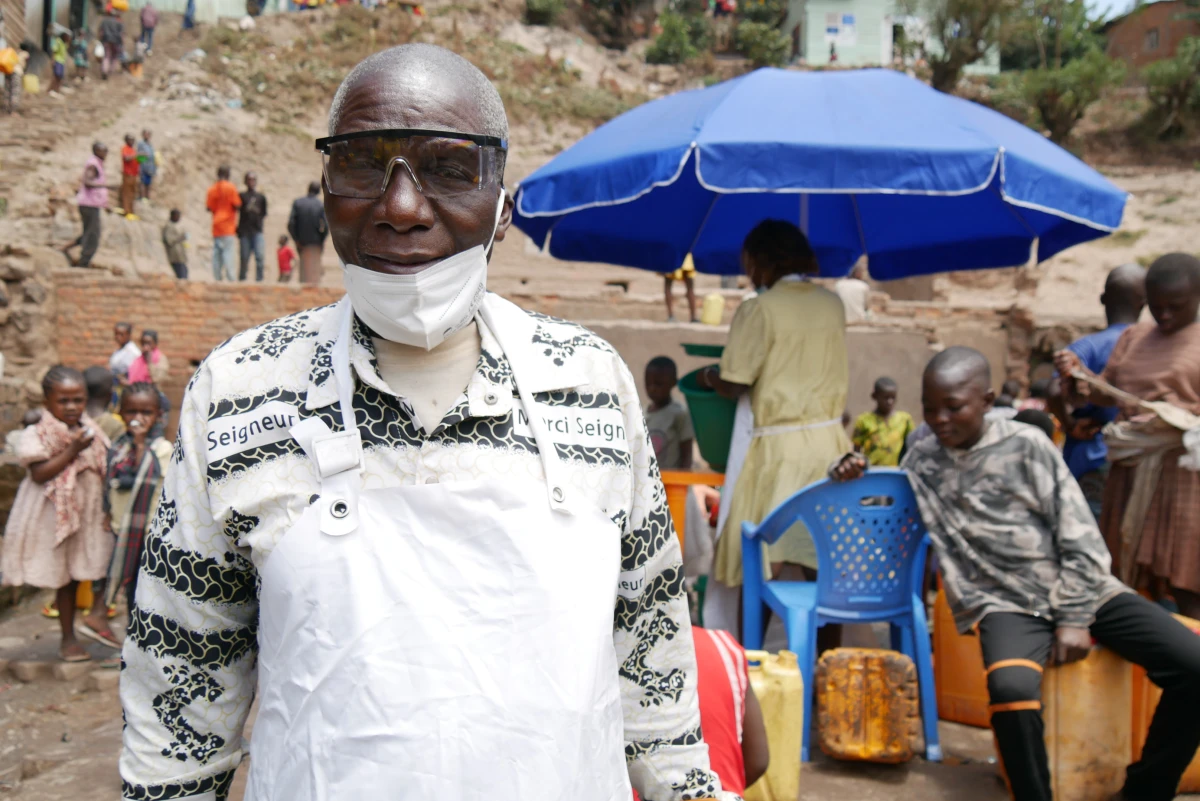
Ebola continues to endanger communities in the Democratic Republic of the Congo (DRC). Extremely dangerous, with a high death rate, the virus spreads mainly through direct contact with infected people's bodily fluids or contaminated materials. For a rare and aggressive variant, Bundibugyo virus, no licensed vaccines or specific treatment exist.
At the same time, Cholera is spreading across eastern DRC, affecting tens of thousands of people. The disease spreads mainly through contaminated water and food and can be deadly without timely treatment. For both, Ebola and Cholera, proper hygiene is extremely important, but with ongoing conflict, population displacement, and limited access to safe water and healthcare, the situation is alarming.

Handwashing can save lives
We released funds from our Club of Friends to extend our current projects and strengthen disease prevention activities. We are focussed on Ebola and Cholera prevention in three most affected health zones in South Kivu province—Kadutu, Katana and Minova. At the same time, our teams help prevent and treat malnutrition among vulnerable children. This is vital, as malnutrition weakens the immune system, making children more vulnerable to infection. Through nutrition, we help strengthen their ability to fight infections and recover from diseases.
In addition, we work to educate people on the risks. Our teams speak directly with people in their communities, visit households and use awareness posters and local radio to spread important information. We explain how regular handwashing, safe drinking water, proper sanitation and disinfection can help prevent the spread of Ebola and Cholera.

Furthermore, we provided 12 health facilities with essential supplies, including handwashing stations, protective equipment, disinfectants, and other hygiene materials.
To prevent the spread of Cholera, we support water chlorination at 18 priority sites, helping communities access safer drinking water.
Educating neighbours
We reached around 45,000 people through adapted risk communication and sensitisation activities. These efforts improved community adherence to Ebola prevention measures, and were conducted through radio campaigns, through mobile community criers, local communication channels, and door-to-door individual counselling sessions. The latter were conducted by health workers in order to promote safe prevention practices while avoiding mass gatherings.

Our staff could never reach as many people, if we did not work with health centres. We train health workers and community volunteers to strengthen infection prevention and identify health risks early.
Another awareness-raising volunteer, Ms Ntululo, tells us

Increasing the risk
According to World Health Organisation (WHO), as of 23 September 2026, the DRC has reported 7890 confirmed cases, including 3799 deaths. Ituri—the epicenter of the epidemic—remains the most affected province, but the geographic expansion increases the risk of cross-border transmission.
Cholera is also spreading across eastern DRC. More than 44,000 cases and 1,300 deaths were reported across the country between January and August 2026, with North and South Kivu accounting for half of all cases in August.
Ongoing violence in eastern DRC severely hinder medical logistics. Attacks on healthcare facilities and displacement camps have repeatedly displaced isolated patients and response personnel, severing monitoring chains.
The rapid spread of this virus is exacerbated by an extremely volatile security environment in the eastern part of the country, leading to population displacement and increasing the risk of transmission.


