
From Crisis to Choice: The Power of Cash Assistance in Borena
Published: Apr 27, 2026 Reading time: 3 minutes Share: Share an articleStability in Ethiopia’s East Borena Zone, along the border with the Somali Region, was shattered by tribal conflicts that forced families to flee their villages, leaving behind their homes, livestock, and all household property. To help families overcome the challenges of displacement, we provided them with cash assistance, so that they could meet their needs.
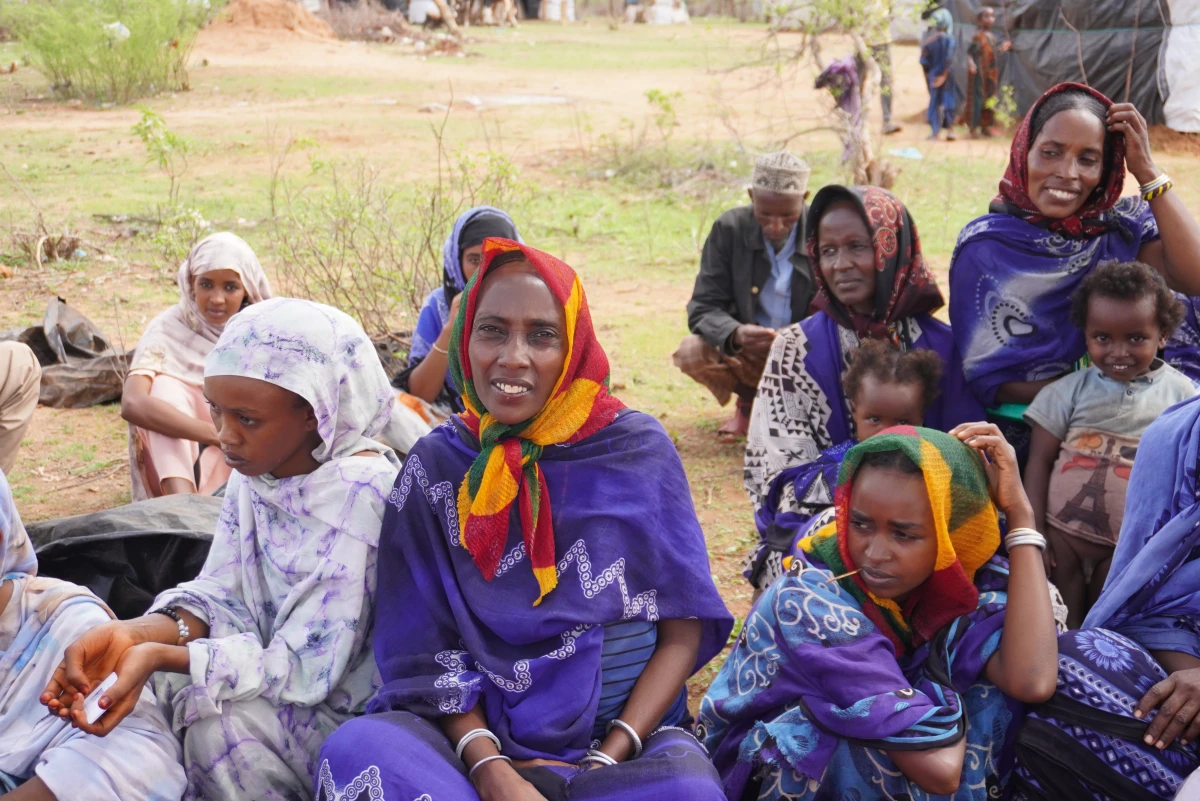
Communities in the Oromia and Somali border regions have long suffered from tribal tensions. For years, the recurring violence has affected the lives of thousands. Whole families have been forced to flee to neighbouring woredas, leaving their assets and livelihoods behind with no income to ensure food security, no shelter to reside in, and limited means to cover their needs.
Early cash assistance is a lifeline. It helps people in these communities regain control of their lives and fosters hope for a better future despite the immense hardship.
Today, a new approach to humanitarian aid direct cash assistance is helping people regain their dignity and meet their needs on their own terms. Funded by the European Union, this programme is specifically designed to support internally displaced persons (IDPs), pregnant women, the elderly, people with disabilities, children at risk, large households or those who have lost their livelihoods.

The challenges of displacement are frequently compounded by severe health risks and often a total lack of resources. Dabboo recalls the desperation of being hospitalised with severe anaemia while lacking even the smallest amount of money:
This lack of resources extends to the most basic household items, as many fled with only the clothes on their backs and without simple things like containers to fetch water.

Before aid arrived, the primary concern for parents was a lack of food for their children and the hunger this caused.
Daniel Yeshibelay, the project manager, notes that cash "empowers communities to make decisions regarding their priority needs". For Dabboo, this means ensuring her infants have what they need first:
Other families use the funds to buy staples such as maize, cooking oil, salt, potatoes, and onions, while also ensuring their children have the notebooks and clothes necessary for school.

Before the conflict, these community members sustained themselves through agricultural labour, including ploughing fields and selling charcoal or wood in local towns. Sora highlights this enduring hope for the future:

The transition away from constant anxiety has brought a profound sense of relief to the district. As one recipient shared, the joy of being able to provide is shared by the entire household:
With the ability to buy grain and prepare food in their own cooking pots, these families are finally finding a sense of stability.


